What is a Zip Blinds and How Does It Work?
A Zip Blinds system is a modern, vertically retractable outdoor shading solution designed to provide protection from sunlight, wind, and rain while maintaining aesthetic appeal. Unlike traditional blinds, Zip Blinds feature a fabric panel that is securely zipped into side tracks, ensuring the material remains taut even in windy conditions. This design prevents flapping, sagging, or misalignment, which are common issues with conventional roller blinds. The system can be operated manually using a crank or pulley, or motorized for smooth, effortless operation through a remote control or smart home integration. Materials used in Zip Blinds typically include high-quality, weather-resistant fabrics such as PVC-coated polyester or mesh screens that filter sunlight while maintaining visibility. Aluminum or stainless-steel frames provide structural support, corrosion resistance, and long-term durability. Installation involves securely anchoring the top housing and side channels, ensuring precise alignment so the fabric glides evenly when raised or lowered. Optional features include automated motorization with sensors that adjust the blind based on wind or sunlight intensity, LED lighting integration, and thermal or UV protection layers to enhance comfort and energy efficiency. Zip Blinds are commonly used on terraces, balconies, patios, pergolas, or commercial outdoor seating areas, offering a balance between weather protection, privacy, and unobstructed views. Their modular design allows customization of width, height, and color to complement any architectural style. Proper maintenance, such as cleaning the fabric, lubricating moving parts, and inspecting the zip channels, ensures longevity and smooth operation. With their combination of functionality, durability, and modern aesthetics, Zip Blinds provide a versatile shading solution suitable for residential and commercial applications, creating comfortable outdoor environments year-round.
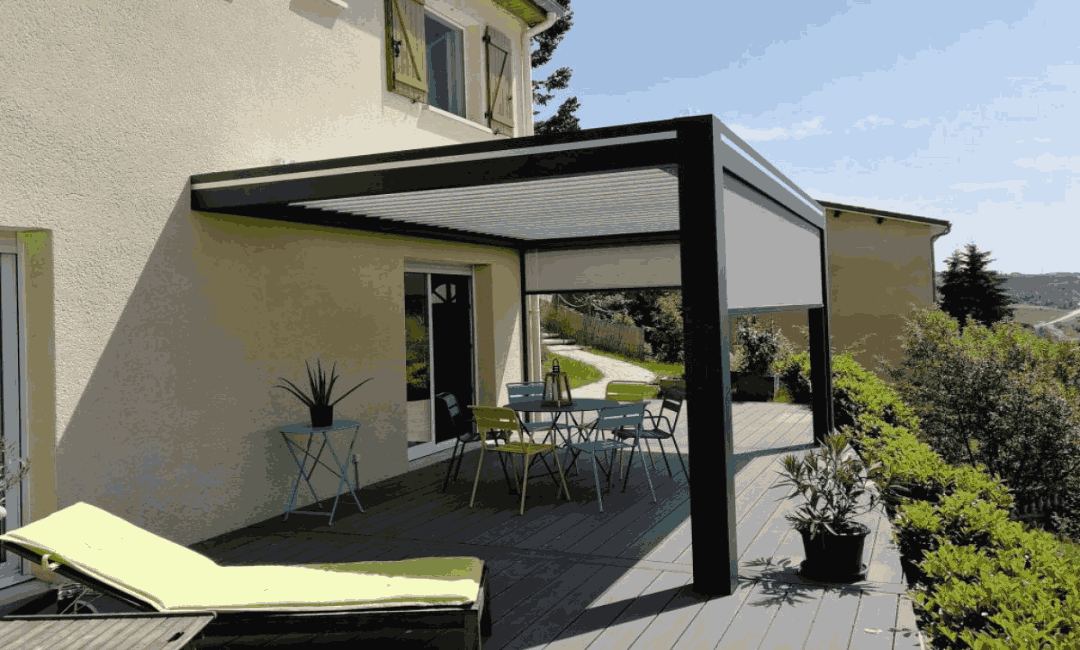
Zip Blinds: 2026 Factory Prices and System Costs
Modern outdoor living spaces increasingly require protection from sun, wind, and external visibility without sacrificing aesthetics. Zip Blinds systems have become one of the most popular architectural shading solutions because they combine durability, smooth operation, and contemporary design. In 2026, factory prices for Zip Blinds systems depend on several structural and technological elements including aluminum frame quality, motorized mechanisms, factory type, and installation complexity. Manufacturers typically produce these systems using powder-coated aluminum profiles designed to resist corrosion and long-term weather exposure.
Pricing structures are generally calculated per square meter, although custom installations such as terrace enclosures, restaurant façades, winter gardens, and pergola integrations may change the final cost. The factory used inside Zip Blinds systems is usually a technical screen factory designed to filter sunlight while maintaining partial visibility from inside the space. Higher density factorys increase privacy and sun protection while slightly raising the overall price.
Motorization is another important cost element. Basic manual crank systems are more affordable, while remote-controlled motors or smart home integrated systems increase investment value. Advanced Zip Blinds installations can be connected to wind sensors, sunlight sensors, and automated climate control systems that adjust the blind position automatically.
Professional installation plays a crucial role in the overall price structure. Accurate measurements, structural anchoring, and tension adjustment ensure the system works smoothly for years. Well-manufactured Zip Blinds provide long-term performance, energy efficiency, and aesthetic harmony with modern architecture. These systems are widely used in residential terraces, villas, restaurants, cafés, hotels, and commercial buildings that require functional yet elegant outdoor protection.
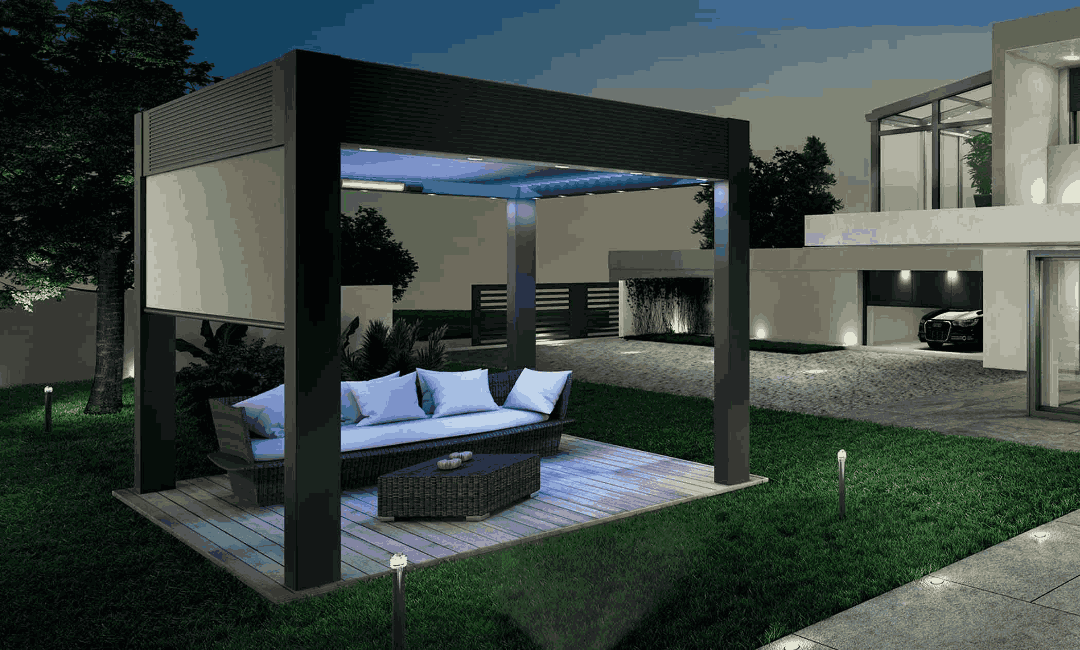
Zip Blinds Prices: What Factors Affect the Cost?
The total investment required for Zip Blinds systems varies depending on several technical and architectural factors. Each installation project is unique because outdoor areas differ in size, structural design, and environmental exposure. Understanding these cost variables helps property owners make informed decisions when selecting a shading system.
The first factor influencing Zip Blinds prices is the system size. Larger installations require more aluminum profiles, larger screen factorys, and stronger motor systems. The width and height of the blind determine the structural strength needed to maintain smooth movement and wind resistance. High-rise balconies and exposed terrace areas may require reinforced side channels to ensure stability during strong winds.
Material quality is another major pricing factor. High-grade aluminum frames coated with electrostatic powder paint provide better resistance to rust and fading. Premium screen factorys used in Zip Blinds systems are manufactured with UV-resistant fibers that maintain color stability and structural strength for many years. Lower quality factorys may reduce the initial price but can lose tension or fade more quickly.
Motor technology significantly affects the final cost. Remote-controlled motors, smart automation systems, and smartphone integration create a more comfortable user experience. Motorized Zip Blinds are particularly popular in restaurants, cafés, and large residential terraces where manual operation would be less convenient.
Installation complexity also impacts the price structure. Custom-designed pergolas, irregular balcony shapes, and glass winter garden integrations may require special mounting solutions. Professional installers evaluate structural surfaces, wind direction, and drainage systems to ensure the Zip Blinds operate flawlessly while maintaining architectural harmony with the surrounding structure.
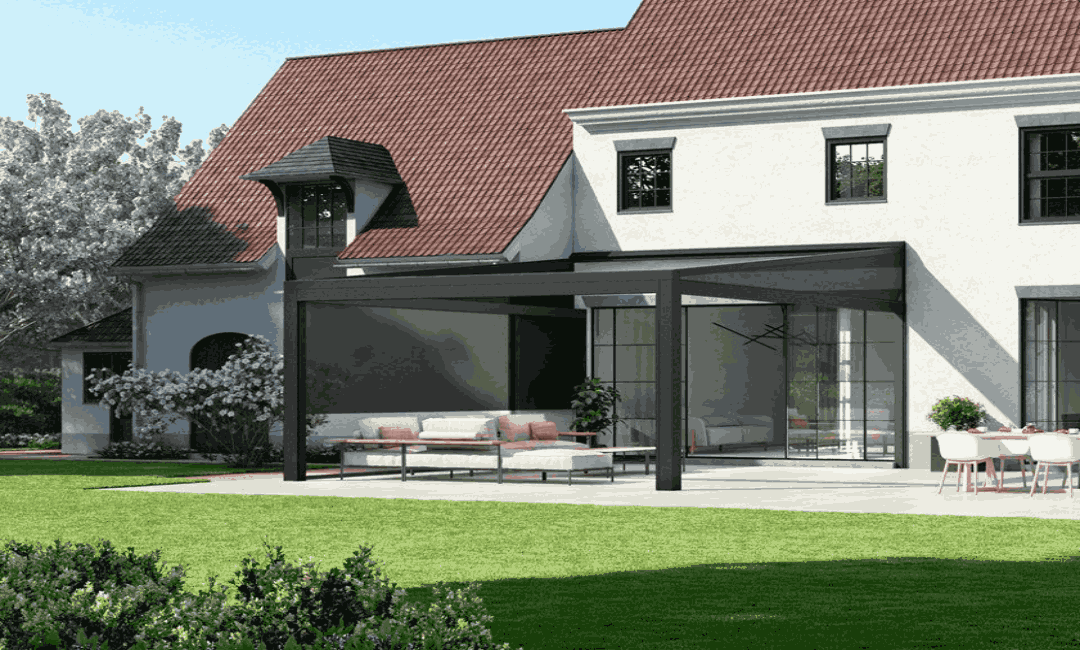
Zip Blinds Models: What Are the Options?
Architectural shading systems have evolved significantly over the past decade, and Zip Blinds now offer a wide range of models designed for different environments and design preferences. Each model provides specific advantages related to climate control, privacy, and aesthetic integration with modern buildings.
One of the most commonly installed options is the motorized vertical Zip Blinds system. This model operates with a remote control or wall switch, allowing users to easily adjust the screen height depending on sunlight intensity or privacy requirements. Motorized systems are frequently installed in villas, modern apartments, and commercial hospitality venues where convenience and automation are priorities.
Manual crank models represent another practical alternative. These Zip Blinds systems operate using a mechanical gear mechanism that allows smooth movement without electrical components. Manual models are often selected for smaller terraces, balconies, and residential pergolas where automation is not essential.
Transparent PVC screen versions are also available for spaces that require wind protection without blocking the outside view. These Zip Blinds models are popular in restaurants, cafés, and coastal properties because they create a protective barrier while preserving panoramic scenery.
Blackout factory models offer maximum sun protection and privacy. These versions of Zip Blinds are often used in residential environments where strong sunlight exposure can increase indoor temperature levels. High-density screen factorys reduce glare and heat while maintaining airflow through micro-perforated textile technology.
Architectural designers frequently integrate Zip Blinds systems with pergolas, winter gardens, and terrace enclosures to create flexible outdoor living areas that remain comfortable in different weather conditions.
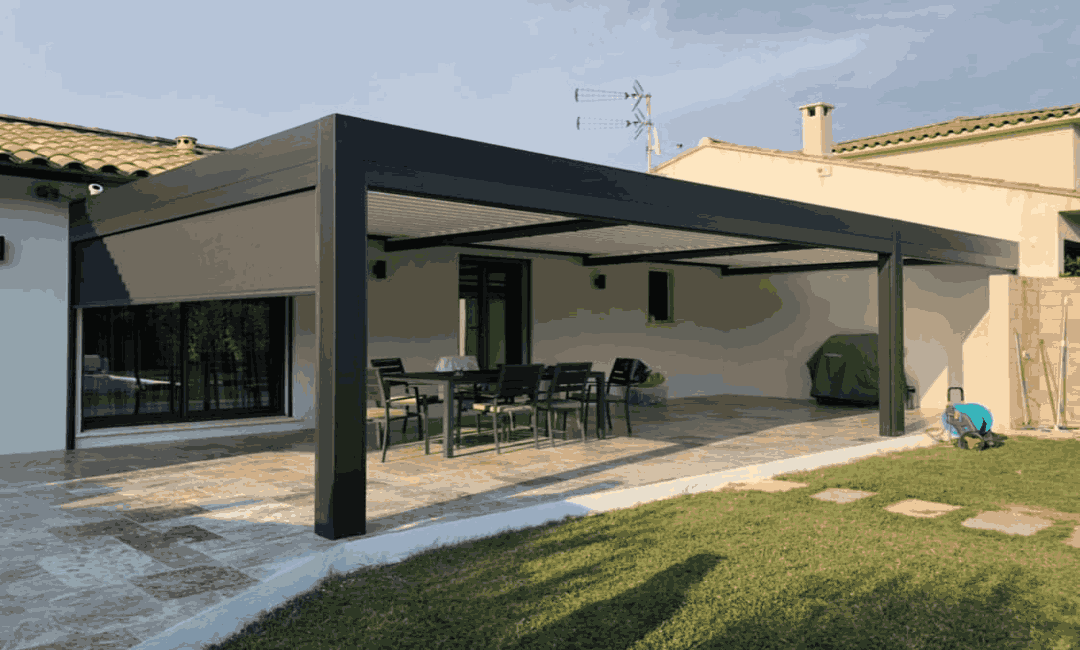
Zip Blinds… But Which Brand Should You Choose?
Selecting the right manufacturer for Zip Blinds systems is an important decision because quality differences between brands can directly affect long-term performance. Outdoor shading systems must withstand wind pressure, sunlight exposure, temperature changes, and continuous daily use. Choosing a reliable brand ensures that the system maintains smooth operation and structural durability for many years.
One of the most important elements to examine when evaluating Zip Blinds brands is the aluminum profile quality. Strong aluminum structures prevent deformation and maintain consistent tension across the entire screen surface. Manufacturers that use thick aluminum profiles combined with high-quality powder coating provide better protection against corrosion and environmental damage.
Motor technology represents another critical component when comparing Zip Blinds brands. Reputable manufacturers typically use internationally recognized motor systems designed for silent operation and long mechanical life. Quiet motors and smooth movement enhance user comfort, especially in residential environments where noise levels matter.
Screen factory quality should also be carefully evaluated. High-performance factorys used in Zip Blinds systems are manufactured with UV-stabilized fibers that resist fading and maintain their structural strength over time. Breathable micro-perforated factorys allow air circulation while filtering sunlight and maintaining outward visibility.
Warranty policies, installation expertise, and after-sales service also influence brand reliability. Professional installers ensure that Zip Blinds systems are mounted securely and adjusted correctly so the screen remains perfectly tensioned within the side channels.
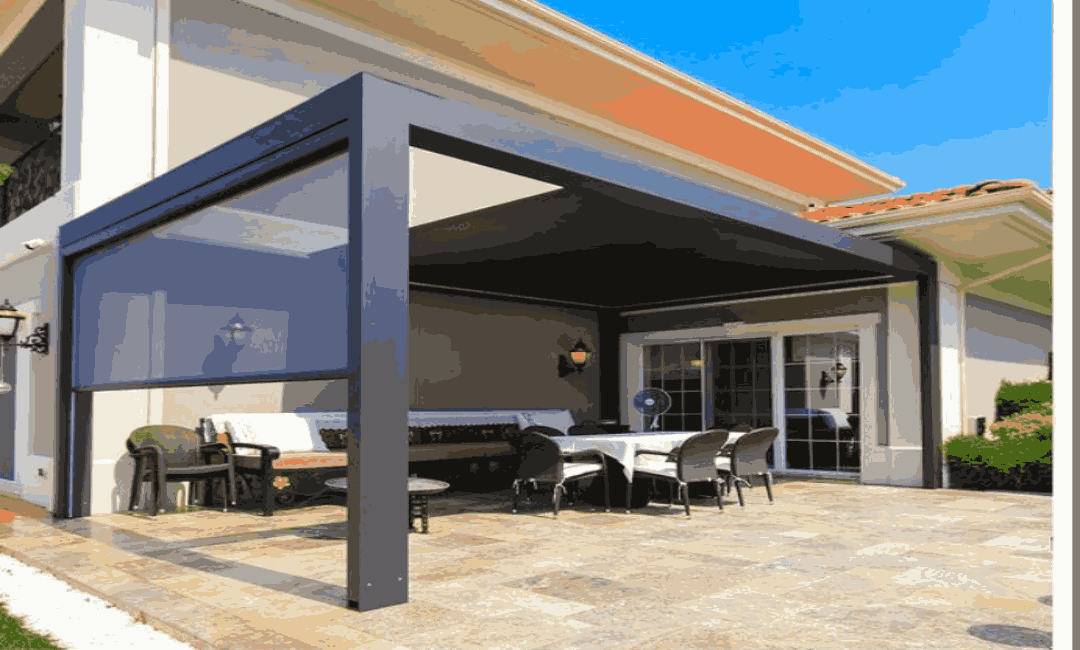
Zip Blinds… Which One Should I Prefer?
Choosing the most suitable Zip Blinds system depends on the characteristics of the space where the installation will take place. Architectural layout, climate exposure, and functional expectations all influence the decision-making process. Evaluating these elements helps property owners select the most appropriate configuration.
Terraces and large balconies often benefit from motorized Zip Blinds systems because automated controls allow users to quickly adjust the screens according to sunlight intensity or wind conditions. Remote control functionality creates a more comfortable environment, especially in outdoor dining areas or large pergola structures.
Smaller residential balconies may function perfectly with manual crank versions of Zip Blinds. These systems are simple, durable, and cost-effective while still providing reliable sun protection and privacy. The mechanical structure allows easy operation without requiring electrical installation.
Wind resistance is another factor that influences the preferred model. Zip Blinds systems feature special side channels that lock the factory securely into place, preventing movement during strong wind conditions. This technology makes them suitable for high-rise apartments, coastal homes, and exposed terraces.
factory selection also plays an important role when deciding which Zip Blinds system to install. Light-filtering screen factorys maintain outside visibility while reducing glare, whereas blackout factorys provide stronger privacy and heat control. Transparent PVC panels offer maximum protection against wind while preserving outdoor views.
Architectural harmony with the building façade should always be considered. Well-designed Zip Blinds systems complement modern pergolas, glass winter gardens, and terrace enclosures while improving overall outdoor comfort.
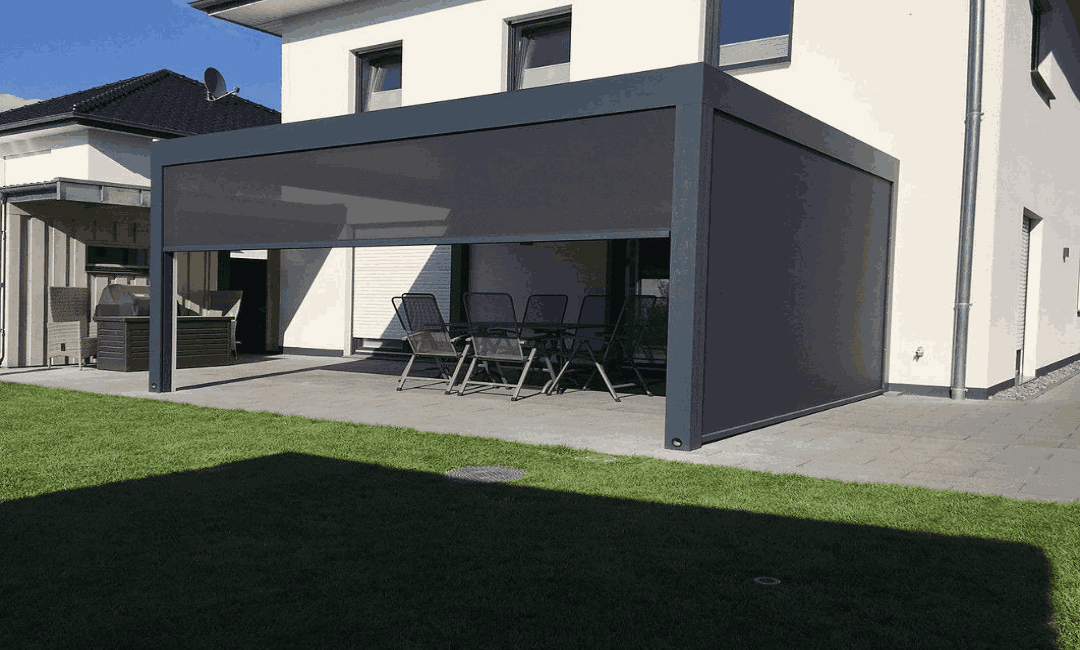
Zip Blinds Manufacturers… But Which One Is Right?
Choosing the correct manufacturer for Zip Blinds systems is a critical step for anyone planning to improve outdoor comfort and architectural aesthetics. Modern shading technologies require strong engineering, high-quality materials, and professional installation. A well-produced Zip Blinds system must operate smoothly for many years while maintaining factory tension, wind resistance, and visual harmony with the building façade.
Many manufacturers offer similar looking products, yet differences in aluminum profile thickness, motor quality, factory durability, and installation experience create major variations in long-term performance. High-quality Zip Blinds systems use reinforced aluminum side channels that lock the screen factory firmly inside the rails. This technology prevents the factory from leaving the track during strong winds and ensures stable operation in open terraces or exposed balconies.
Professional production facilities apply electrostatic powder coating to aluminum profiles to protect them from corrosion, fading, and environmental damage. Screen factory used in Zip Blinds systems are typically manufactured with UV-resistant fibers designed to filter sunlight while maintaining outward visibility from inside the space. These factory help reduce heat gain while preserving natural airflow.
A manufacturer that focuses on engineering quality, installation expertise, and customer support stands out in the market. Bioclimatic Pergola is recognized for producing durable architectural shading solutions, including advanced Zip Blinds systems designed for terraces, pergolas, winter gardens, restaurants, and modern residential spaces.
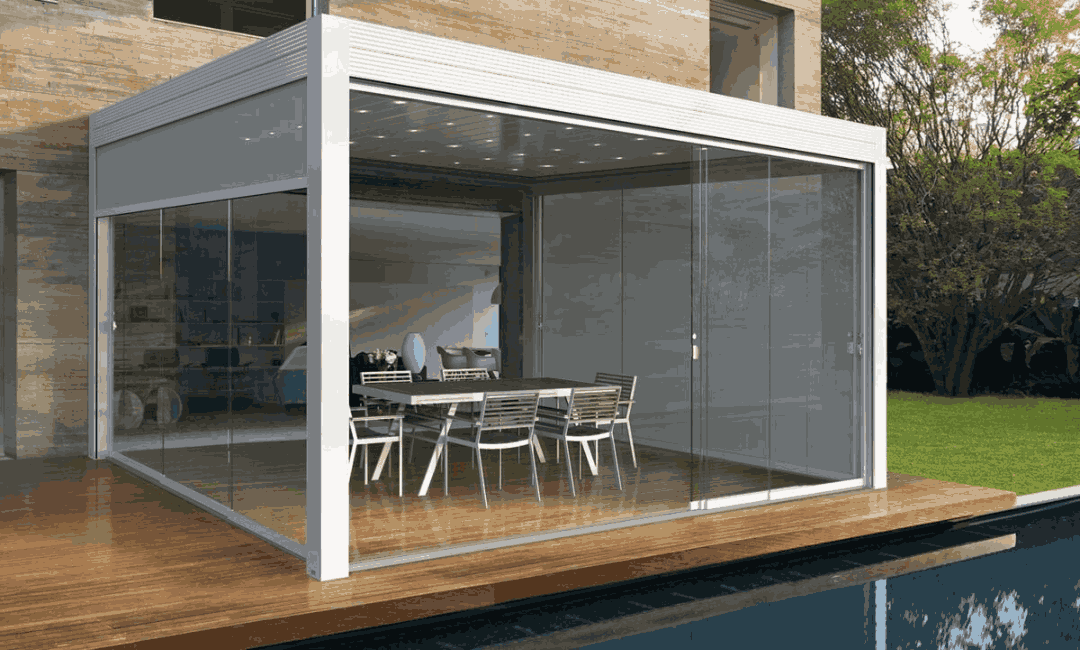
Zip Blinds: What Are the Technical Specifications?
Modern Zip Blinds systems are engineered to deliver both functionality and durability in outdoor environments. The technical structure of these systems consists of aluminum profiles, tensioned screen factory, motorized or manual control mechanisms, and side channel locking technology. Every component works together to create a stable shading solution capable of withstanding environmental conditions.
The aluminum frame used in Zip Blinds systems is typically manufactured from corrosion-resistant aluminum alloys. These profiles are coated with electrostatic powder paint, providing long-term resistance against sunlight, rain, and temperature changes. Strong aluminum side rails ensure that the screen factory remains perfectly aligned during movement.
Screen factory are produced using high-density polyester or fiberglass materials coated with PVC. These factory allow natural light to pass through while blocking excessive heat and glare. Zip Blinds factory also maintain partial transparency, allowing users to see the outside environment without being fully exposed from the exterior.
Motor technology represents another essential technical feature. Motorized Zip Blinds can be operated with remote control systems, wall switches, or smart automation platforms. Wind sensors and sunlight sensors can automatically adjust the screen height depending on weather conditions.
Wind resistance is one of the defining characteristics of Zip Blinds systems. The zipper-like side channel structure locks the factory into the rails, preventing displacement during strong wind exposure. This engineering design allows Zip Blinds to function reliably in terraces, balconies, pergolas, and large commercial spaces.
Zip Blinds: Is It Advantageous to Install One?
Installing Zip Blinds systems provides a range of architectural and functional benefits for both residential and commercial spaces. Outdoor areas such as terraces, balconies, pergolas, cafés, and restaurants often require protection from sunlight, wind, and outside visibility while maintaining a modern visual appearance.
One of the most important advantages of Zip Blinds is climate control. Screen factory filter intense sunlight and reduce indoor heat levels, creating a more comfortable environment in outdoor seating areas. This feature becomes particularly valuable during warm summer months when direct sunlight can make terraces difficult to use.
Wind resistance is another key advantage. The side channel technology used in Zip Blinds systems keeps the factory firmly secured inside the rails. This design allows the screens to remain stable even in windy environments such as coastal properties or high-rise balconies.
Privacy improvement represents another reason property owners choose Zip Blinds installations. Specially designed screen factory allow outward visibility while limiting outside visibility into the space. This balance creates a comfortable and protected environment without blocking natural light.
Modern architecture increasingly integrates Zip Blinds with pergola systems, winter gardens, and terrace enclosures. These installations transform open outdoor spaces into flexible living areas that remain usable throughout different weather conditions.
Why Should You Buy a Zip Blinds?
Outdoor comfort and architectural aesthetics have become essential considerations in modern building design. Purchasing Zip Blinds systems offers an effective way to improve usability, privacy, and climate control in outdoor environments such as terraces, balconies, restaurants, and commercial hospitality areas.
One major reason to invest in Zip Blinds is durability. High-quality aluminum frames and technical screen factory are designed to withstand long-term exposure to sunlight, wind, and moisture. Reinforced side channels prevent the factory from moving outside the rails, maintaining perfect tension even during windy weather conditions.
Energy efficiency represents another benefit of Zip Blinds systems. By filtering direct sunlight, these shading systems help reduce heat buildup in indoor areas connected to terraces or balconies. Lower indoor temperatures contribute to improved comfort while reducing air conditioning usage.
Ease of operation is another advantage that makes Zip Blinds popular in both residential and commercial properties. Motorized models allow users to control the screens using remote control devices or smart automation systems. Large terraces or restaurant façades can quickly adapt to changing weather conditions.
Modern architectural projects frequently include Zip Blinds installations because they combine minimalist design with practical performance. The clean vertical lines and hidden mechanisms allow the system to blend seamlessly with contemporary building façades.
Zip Blinds: Where Can It Be Used?
Architectural flexibility makes Zip Blinds systems suitable for a wide variety of spaces. These shading systems are designed to provide protection from sun, wind, and external visibility while maintaining the visual openness of outdoor areas.
Residential terraces are one of the most common installation locations for Zip Blinds systems. Homeowners use these screens to create comfortable outdoor living spaces that remain usable during sunny or windy conditions. Screen factory filter light while maintaining partial transparency toward the outside landscape.
Balconies in modern apartment buildings frequently benefit from Zip Blinds installations. Vertical screen systems create privacy while still allowing fresh air circulation. High-rise balconies exposed to strong winds particularly benefit from the secure side channel technology used in these systems.
Restaurants and cafés often install Zip Blinds to protect outdoor seating areas. Customers can enjoy open-air dining without being affected by excessive sunlight or wind. Transparent or semi-transparent factory maintain the outdoor atmosphere while increasing comfort.
Pergola systems and winter gardens are another ideal environment for Zip Blinds integration. When combined with pergola roofs or glass structures, these screens create semi-enclosed outdoor spaces suitable for year-round use.
Zip Blinds Systems 2026: What Are the Prices Per Square Meter?
Pricing for Zip Blinds systems in 2026 varies depending on system size, factory quality, motorization technology, and installation conditions. Factory pricing models often calculate costs per square meter, especially for standard installations with common dimensions.
For smaller applications such as balconies or compact terrace sections, the most common size range is between 0 and 10 square meters. Domestic factory production for Zip Blinds systems within this size category typically starts from 85 EUR per square meter. This pricing level generally includes aluminum side channels, screen factory, and standard operating mechanisms.
Motorized versions of Zip Blinds may increase the total price due to additional electrical components and remote control systems. Larger projects involving multiple screens, pergola integrations, or restaurant façades may also require reinforced structures and professional installation planning.
High-quality Zip Blinds systems represent a long-term investment for property owners seeking reliable outdoor shading solutions. Durable materials, professional engineering, and modern architectural compatibility make these systems increasingly popular in residential and commercial projects.
Zip Blinds – 0–10 m² : 85 EUR / m² – Domestic Factory
Zip Blinds Systems Prices – FAQ (Frequently Asked Questions)
1. What determines Zip Blinds prices?
Zip Blinds prices depend on system size, motor type, factory quality, aluminum profile strength, and installation requirements for the project.
2. Are Zip Blinds suitable for windy areas?
Zip Blinds include side-locking channels that hold the factory securely, providing strong resistance against wind and outdoor weather conditions.
3. Can Zip Blinds be motorized?
Most Zip Blinds systems support motorized operation using remote control, wall switches, or smart automation technologies.
4. Do Zip Blinds provide privacy?
Special screen factory in Zip Blinds allow outward visibility while limiting outside visibility into the protected space.
5. Are Zip Blinds suitable for restaurants?
Restaurants often install Zip Blinds to protect outdoor seating areas from sun and wind while maintaining an open atmosphere.
6. How durable are Zip Blinds systems?
High-quality Zip Blinds use aluminum structures and UV-resistant factory designed for long-term outdoor use.


 Deutsch
 Français
 Español
 Italiano
 Русский
 România
 Ελλάδα
 България
 Hungarian
 Hrvatska
 Polska
 Belgium
 Србија
 Босна
Босна Turkish
 العربية