What is a Glass Roof?
A Glass Roof is an architectural solution that combines modern aesthetics with functional transparency, allowing natural light to penetrate interior spaces while maintaining weather protection. Unlike conventional roofs, which block sunlight, a Glass Roof enables abundant daylight to flow into living areas, conservatories, or commercial spaces, enhancing the feeling of openness and connection with the outdoor environment. The structure typically uses tempered or laminated glass panels supported by strong aluminum, steel, or composite frameworks. These panels are designed to withstand environmental stressors such as wind, rain, snow, and temperature fluctuations while providing thermal insulation and energy efficiency. The choice of glass type, including clear, tinted, low-emissivity, or self-cleaning varieties, influences both the visual quality and performance of the roof. Modern Glass Roof systems also integrate drainage solutions to prevent water accumulation, ensuring longevity and safety. For residential use, these roofs create sunlit spaces suitable for living rooms, patios, or dining areas. In commercial applications, they contribute to the ambiance of shopping centers, hotels, and atriums. The durability of materials combined with design flexibility allows architects to incorporate curves, slopes, or angular configurations, achieving visually striking yet practical structures. Furthermore, the reflective properties of high-quality glass can reduce heat gain, protecting interiors from excessive sunlight without diminishing brightness. Noise reduction, UV protection, and security features are additional considerations that elevate the functionality of Glass Roof installations. Choosing the right combination of glass type, frame material, and engineering design ensures a balance of style, safety, and energy efficiency, making the Glass Roof a modern solution for contemporary architectural challenges.
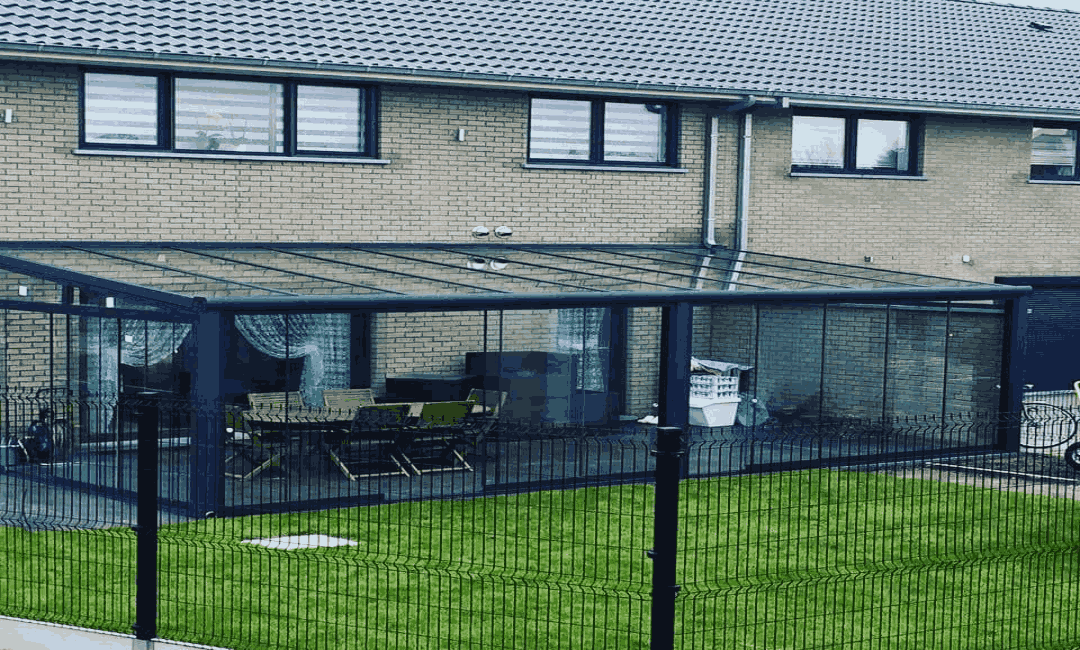
What is a Retractable Glass Roof and How Does It Work?
A Retractable Glass Roof is an advanced system designed to provide flexibility in controlling sunlight, ventilation, and weather exposure. Unlike static glass installations, this system features sliding or folding panels operated manually or through automated motorized mechanisms. The panels, usually made of laminated or tempered glass, move along rails to open partially or completely, converting enclosed spaces into open-air environments in seconds. The underlying frame is typically constructed from robust materials such as anodized aluminum or stainless steel to support weight while maintaining smooth movement. Sensors and control systems can enhance safety, ensuring panels stop if obstructions are detected. The design allows for seamless integration with rain sensors, motorized awnings, and smart home systems, enabling fully automated operation. The Retractable Glass Roof provides year-round usability by adapting to seasonal changes: opening for fresh air in summer and closing for insulation during winter. Thermal insulation is achieved through double or triple glazing, low-emissivity coatings, and optional gas fillings between panels. Soundproofing is enhanced with laminated glass and specialized seals, making it suitable for urban environments. This system also offers aesthetic benefits, creating panoramic views of the sky while maintaining the protective qualities of a roof. The flexibility, combined with energy efficiency and durability, makes a Retractable Glass Roof an attractive solution for terraces, swimming pool areas, conservatories, and commercial spaces that require adaptable environmental control. Engineering precision ensures smooth operation, minimal maintenance, and long-term reliability, establishing the Retractable Glass Roof as a practical and luxurious architectural feature.
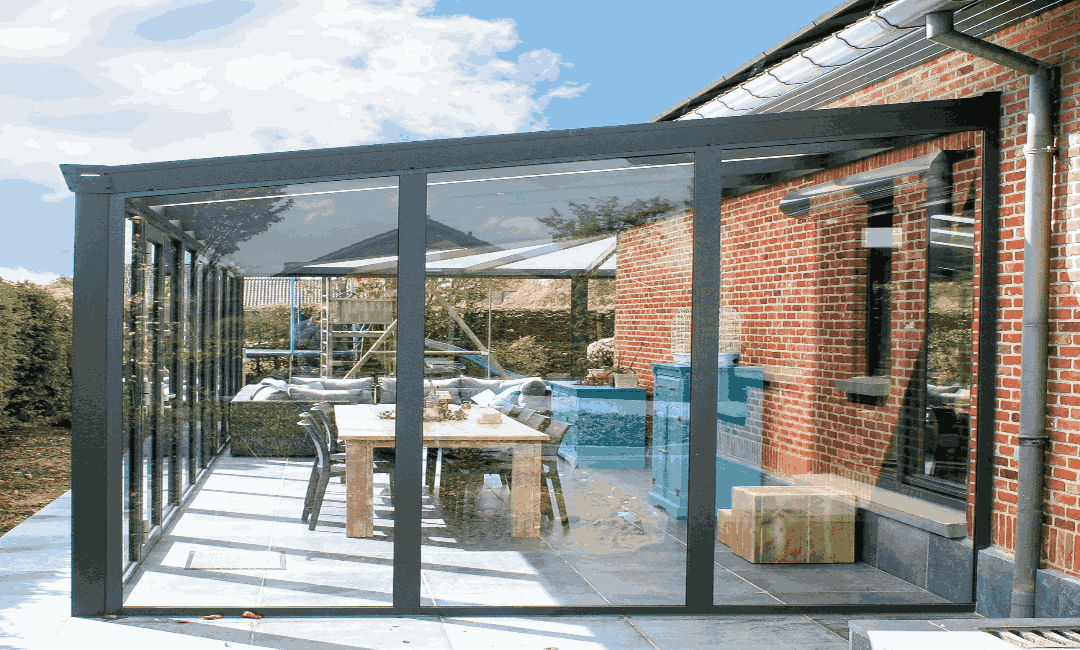
What is a Movable Glass Roof?
A Movable Glass Roof refers to a system engineered to provide complete adaptability for both private and commercial spaces. It incorporates sliding, folding, or pivoting panels that allow full control over light, ventilation, and weather protection. Unlike fixed glass solutions, movable systems are designed for dynamic operation, granting the ability to transform enclosed areas into open spaces without structural compromise. Materials commonly include tempered or laminated glass combined with reinforced aluminum or stainless-steel frames to ensure strength, stability, and smooth movement. Mechanisms can be motorized or manual, often with integrated smart sensors that detect rain, wind, or obstacles, halting operation automatically for safety. The Movable Glass Roof is used in a variety of contexts, from residential patios and swimming pools to restaurants, hotel atriums, and shopping centers. Its capacity to adjust according to sunlight, temperature, or weather conditions enhances energy efficiency, reducing heating and cooling demands. Glass panels can be coated with low-emissivity films, reflective layers, or UV-protective treatments to regulate interior climate while maintaining transparency. Noise reduction features, secure locking systems, and high-quality seals contribute to comfort, safety, and performance. The design flexibility of the Movable Glass Roof allows installation on flat, sloped, or curved surfaces, accommodating both minimalist and complex architectural visions. Maintenance is streamlined due to durable components and modern engineering solutions. This combination of aesthetics, functionality, and adaptability positions the Movable Glass Roof as an innovative, versatile, and premium choice for enhancing the usability and ambiance of living or commercial spaces.
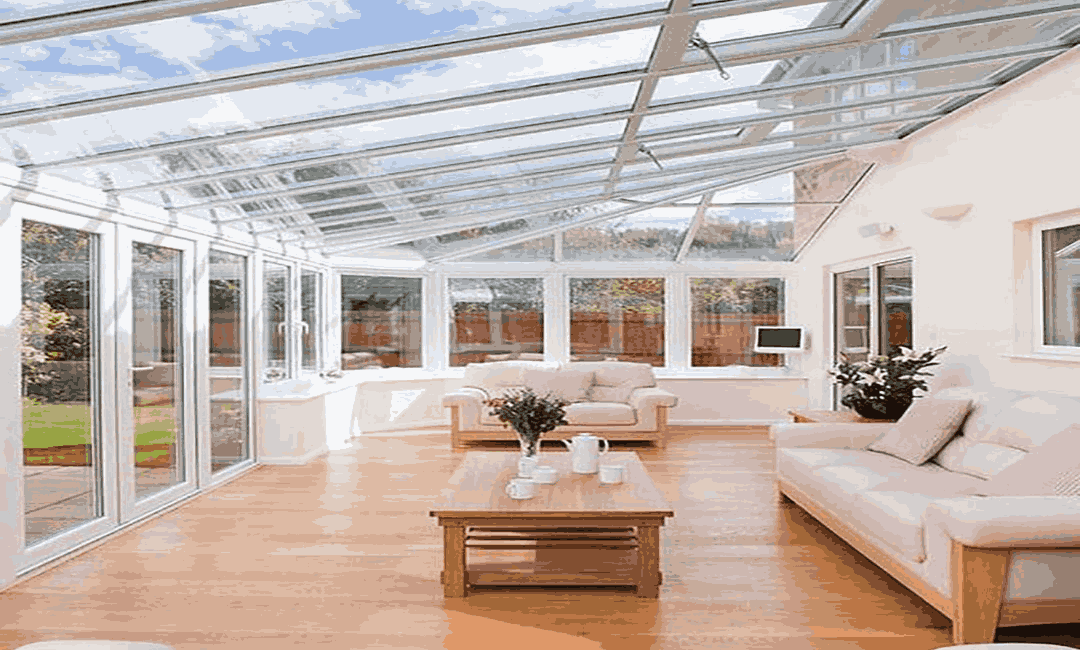
Glass Roof: 2026 Factory Prices and System Costs
Pricing for a Glass Roof in 2026 depends on several technical and material factors, including panel size, frame quality, type of glass, and integration with automated systems. Factory prices for standard small-scale units usually begin around 950 EUR per square meter, but costs can escalate significantly for larger systems or specialized designs. Laminated, tempered, or triple-glazed panels carry different price points depending on their thickness, thermal insulation properties, and optional coatings for UV protection or self-cleaning. Motorized or fully automated Glass Roof systems add to the total cost, as sophisticated drive mechanisms, sensors, and smart controls require advanced engineering and installation expertise. Installation complexity, such as roof slope, frame anchoring, and integration with existing structures, further affects the final price. Customization options, including curved panels, retractable functions, or multi-panel configurations, increase costs but enhance versatility, comfort, and visual appeal. Additional expenses may include drainage systems, structural reinforcements, weatherproof seals, and maintenance planning. Quality certifications, warranty coverage, and brand reputation also influence pricing. Contractors and suppliers often provide packages that combine materials, labor, and control systems for comprehensive budgeting. Comparing factory prices with on-site installation costs ensures accurate financial planning. Investing in a high-quality Glass Roof ensures long-term durability, energy efficiency, and a striking architectural feature, making it a worthwhile consideration for modern residences and commercial projects seeking premium daylighting solutions.
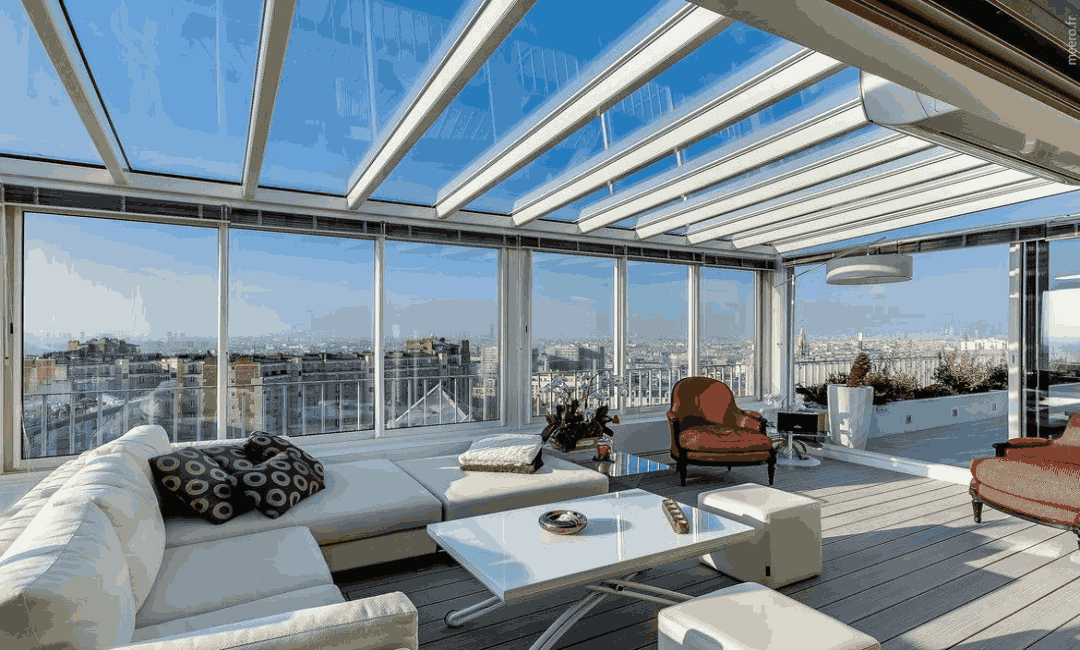
Glass Roof Prices: What Factors Affect the Cost?
Several factors determine the cost of a Glass Roof, starting with the glass type. Standard tempered or laminated glass panels are more affordable, whereas low-emissivity, UV-protective, or self-cleaning variants command higher prices. Frame materials influence cost as well; anodized aluminum offers a balance of strength and price, while stainless steel or custom composites are more expensive but provide superior durability. Size and configuration impact cost, as large spans or curved designs require additional engineering, structural support, and specialized installation. Automation is another key factor: motorized panels, sensors, and smart home integration increase expenses due to the sophistication of the control system. Custom finishes, coatings, and aesthetic enhancements, such as color anodizing or decorative patterns, further affect the price. Installation complexity, including roof slope, load-bearing capacity, and integration with existing structures, also contributes to cost variation. Geographic location, supplier reputation, and warranty options can influence overall pricing, with premium brands commanding higher costs due to design precision and long-term reliability. Even after installation, maintenance considerations such as seal integrity, track lubrication, and glass cleaning may create indirect costs over time. Each of these elements combines to create a pricing spectrum for Glass Roof systems, allowing clients to select a solution that matches both architectural ambition and budget constraints. Understanding these factors helps optimize the balance between quality, functionality, and investment, ensuring a durable and visually appealing outcome.
Glass Roof Models: What Are the Options?
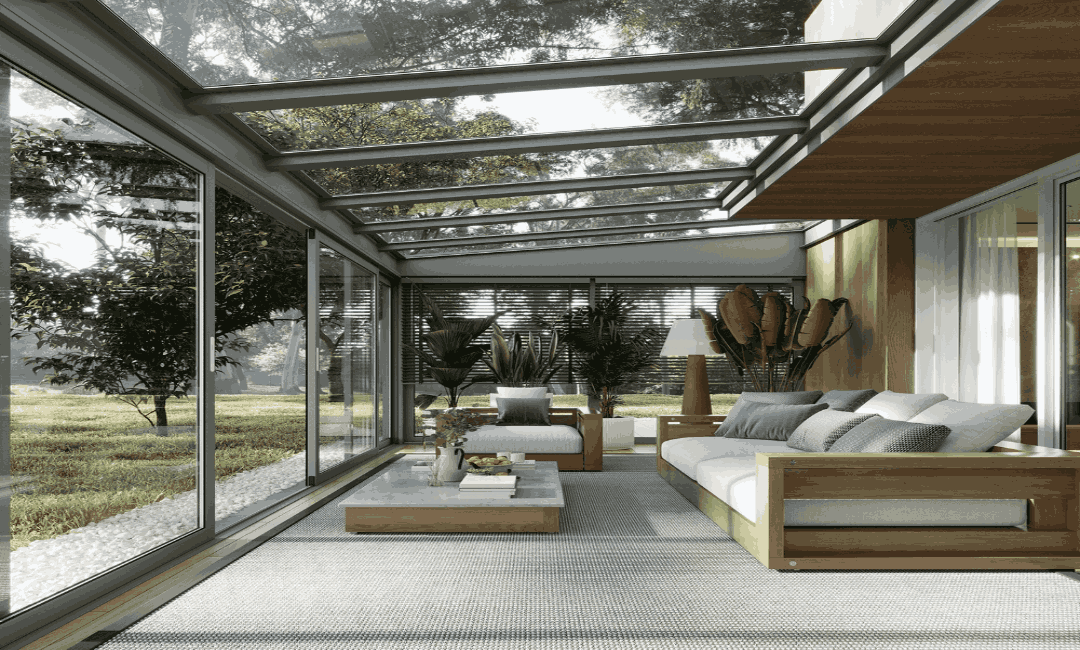
There is a wide range of Glass Roof models to suit residential, commercial, and public spaces. Fixed systems use stable frames with large glass panels for permanent natural light access, ideal for conservatories or atriums. Retractable glass roofs offer motorized or manual mobility, allowing spaces to convert from enclosed to open-air environments effortlessly. Folding or sliding models enable multiple panels to stack or slide along rails, creating maximum ventilation and sky visibility. Curved or domed Glass Roof designs introduce unique aesthetics, often used in shopping centers, hotels, or modern residences seeking architectural statement. Bi-fold and telescopic systems provide flexibility in panel arrangement while preserving thermal insulation when closed. Combination models integrate shading, rain sensors, or ventilation modules for climate control. Material options include tempered, laminated, tinted, or coated glass panels, often paired with aluminum or steel frames for durability and minimal maintenance. Modular designs allow expansion or adaptation to irregular shapes, while fully custom solutions can match complex architectural requirements. Modern Glass Roof systems also incorporate safety measures, such as laminated layers for impact resistance, lockable panels for security, and noise-dampening seals for comfort. By evaluating functionality, design, and location, clients can select the model that optimally balances openness, environmental control, and visual impact.
Glass Roof… But Which Brand Should You Choose?
Selecting a brand for a Glass Roof requires careful evaluation of technical expertise, product quality, customer support, and warranty coverage. Choosing a reliable supplier such as Bioclimatic Pergola ensures that glass performance, insulation, and automation are engineered to the highest standards. Leading firms like this invest in research and development to improve safety, structural load capacity, durability, and compliance with international certifications. Brand reputation is built on successful installations, reliable products, and ongoing maintenance support. While some manufacturers specialize in motorized or retractable systems, others focus on custom architectural designs or cost-effective standard solutions. Professional installation, spare part availability, and post-installation services are essential to maximize longevity and performance. Comparing multiple brands helps highlight differences in material quality, technological features, and warranty terms, while case studies and client reviews offer real-world insights into performance and satisfaction. Premium manufacturers, including Bioclimatic Pergola, often integrate smart-home compatibility, retractable automation, and tailored panel configurations, providing design flexibility and advanced functionality. Evaluating a brand’s ability to meet both aesthetic and operational requirements guarantees that a Glass Roof remains visually impressive, energy-efficient, and durable for decades, delivering maximum daylight, thermal performance, and long-term value.
Glass Roof… Which One Should I Prefer?
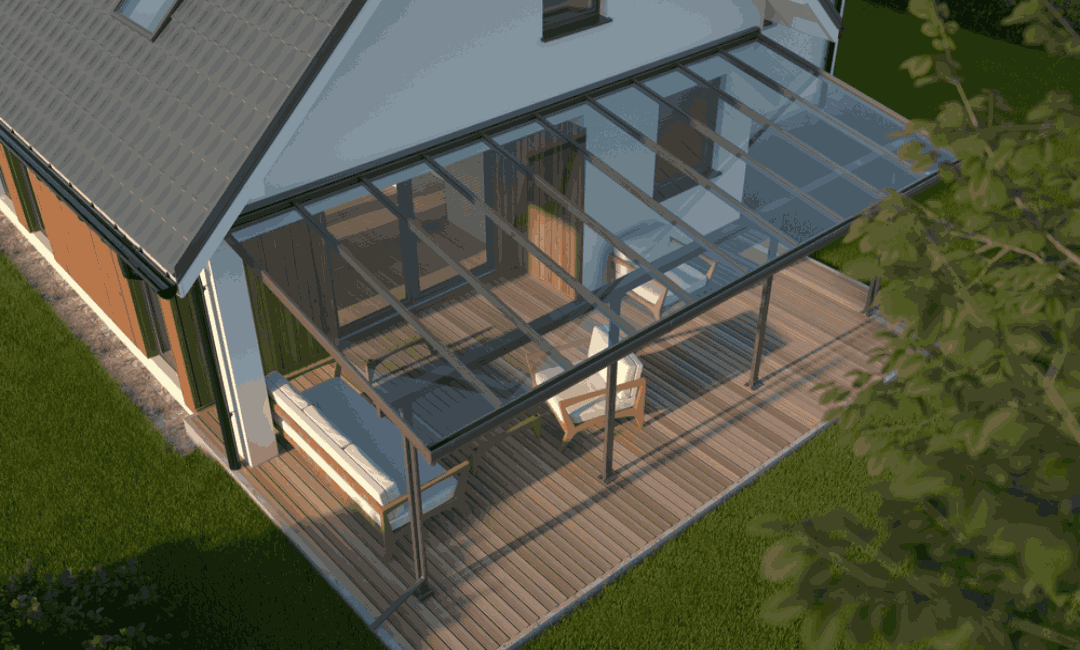
Deciding which Glass Roof to prefer depends on functionality, climate, architectural style, and budget. Fixed glass roofs suit areas where permanent natural lighting is desired, while retractable or movable options provide adaptability to changing weather, ventilation needs, and outdoor exposure. Climate considerations determine glass type and insulation: high-temperature or sunny regions benefit from tinted or low-emissivity glass, whereas colder regions require enhanced thermal insulation and double or triple glazing. Space size, structural limitations, and load-bearing capacity influence frame choice, whether aluminum for lightweight flexibility or steel for heavy-duty support. Additional factors include motorization, automation, rain sensors, noise reduction, and aesthetic integration with the building. Maintenance requirements, warranty, and brand reliability should be assessed to ensure long-term satisfaction. Residential installations often prioritize sunlight, energy efficiency, and visual appeal, whereas commercial spaces may emphasize structural flexibility, safety, and large-span coverage. By evaluating specific needs, environmental factors, and design preferences, a suitable Glass Roof system can be selected to optimize daylight, comfort, ventilation, and overall architectural harmony, creating a functional and visually captivating addition to any space.
Glass Roof Manufacturers… But Which One Is Right?
Choosing the right Glass Roof manufacturer requires evaluating product quality, engineering precision, warranty coverage, and after-sales support. Reputable manufacturers specialize in fixed, retractable, or movable systems, offering certified materials like tempered or laminated glass and aluminum or steel frames. High-quality manufacturers provide customization options for size, shape, glazing type, and automation. Brands with extensive installation experience ensure smooth integration, safety compliance, and long-term reliability. Comparing multiple suppliers based on project type, climate requirements, and budget guarantees a durable, aesthetically pleasing, and functional Glass Roof system.
Glass Roof: What Are the Technical Specifications?
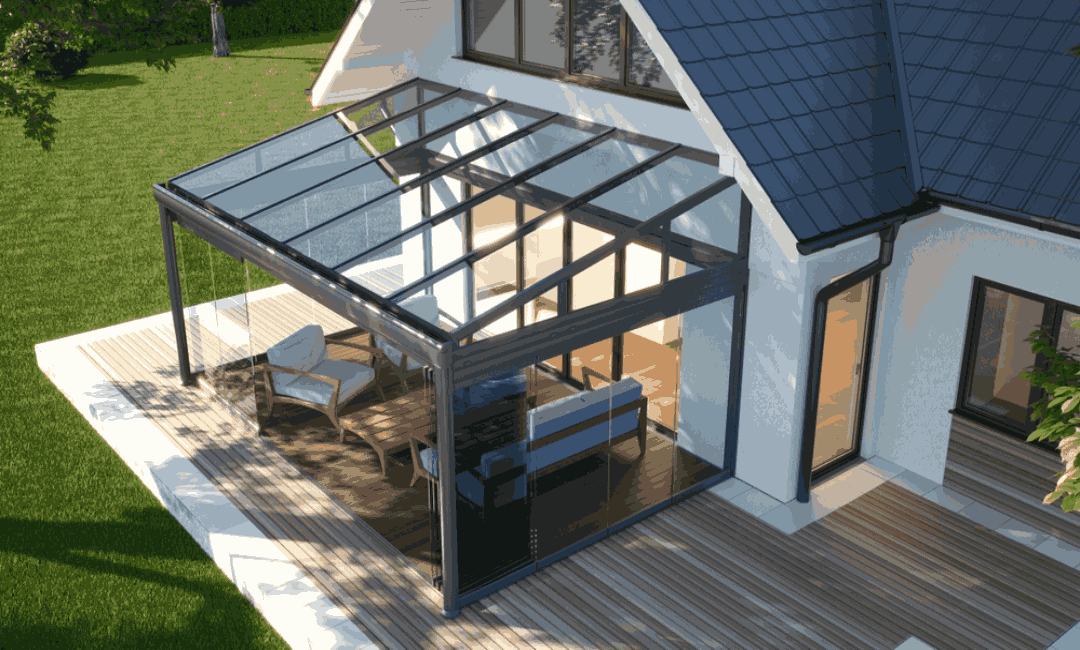
A Glass Roof is engineered with tempered or laminated glass panels supported by aluminum or steel frames. Panel thickness typically ranges from 8mm to 12mm for residential use. Double or triple glazing with low-emissivity coatings enhances insulation, UV protection, and energy efficiency. Retractable systems include motorized rails, safety sensors, and optional smart home integration. Load-bearing capacity, wind resistance, and drainage systems are designed according to structural requirements. Laminated glass provides noise reduction and safety, while anti-reflective or self-cleaning coatings improve visibility and maintenance. The Glass Roof can be flat, sloped, or curved, allowing architectural flexibility without compromising strength or durability.
Glass Roof: Is It Advantageous to Install One?
Installing a Glass Roof increases natural light, improves aesthetics, and enhances indoor-outdoor connectivity. It creates sunlit, spacious environments while maintaining thermal insulation and weather protection. Modern Glass Roof systems offer motorized retractable panels, UV protection, noise reduction, and safety features. Energy-efficient glazing can reduce heating and cooling costs. In addition, Glass Roof installations can elevate property value, provide panoramic views, and transform ordinary spaces into high-end architectural features.
Why Should You Buy a Glass Roof?
Purchasing a Glass Roof provides flexibility, natural light, and modern design. It allows spaces to enjoy open-air experiences while being protected from weather. Automated retractable systems enhance convenience, and insulated glass reduces energy costs. Safety and durability ensure long-term usability. A Glass Roof creates visually appealing, multifunctional areas suitable for residential terraces, swimming pools, conservatories, or commercial atriums.
Glass Roof: Where Can It Be Used?
Glass Roof systems are suitable for residential homes, commercial spaces, hotels, shopping centers, restaurants, swimming pool enclosures, terraces, conservatories, and office buildings. Fixed or retractable systems adapt to various climates and architectural styles. Their flexibility allows customization for flat, sloped, or curved applications. Noise reduction, insulation, and automated controls expand usability while maintaining aesthetic appeal and energy efficiency. Modern Glass Roof solutions combine safety, style, and functionality for any location requiring daylight and weather protection.
Glass Roof Systems 2026: What Are the Prices Per Square Meter?
| Glass Roof Type |
Area |
Price |
Glass Type |
| Glass Roof Fixed Glass Roof |
Below 10m² |
3.400 EUR |
Isolating Glass, Double Glazed |
| Glass Roof Retractable Glass Roof |
Below 10m² |
3.400 EUR |
Isolating Glass, Double Glazed |
Glass Roof Systems Prices – FAQ (Frequently Asked Questions)
-
How much does a Fixed Glass Roof cost?
Small fixed Glass Roof systems below 10m² start at 3.400 EUR with double glazing.
-
What is the cost of a Retractable Glass Roof?
Retractable Glass Roof systems below 10m² also start at 3.400 EUR with insulated double glass.
-
Does automation increase the price?
Motorized or automated retractable systems are more expensive due to sensors, rails, and control mechanisms.
-
What type of glass is used?
Tempered or laminated double-glazed insulating glass is standard, offering safety and thermal efficiency.
-
Can the size be customized?
Yes, Glass Roof systems can be fully customized for larger areas, curves, or complex architectural designs.
-
Are installation costs included in the factory price?
Factory prices cover materials and manufacturing; professional installation is typically an additional expense.


 Deutsch
 Français
 Español
 Italiano
 Русский
 România
 Ελλάδα
 България
 Hungarian
 Hrvatska
 Polska
 Belgium
 Србија
 Босна
Босна Turkish
 العربية