What is a Veranda and How Does It Work?
A Veranda is an open or partially enclosed structure attached to a building, designed to provide a comfortable outdoor space while offering protection from sun, rain, and wind. Modern Veranda systems combine architectural aesthetics with practical functionality, using high-quality materials such as aluminum frames, tempered glass, and durable fabrics. The roof structure can be fixed or adjustable, allowing control over sunlight and airflow. Automation is becoming standard, with motorized mechanisms that tilt or retract panels, enabling users to adapt the environment according to weather conditions or personal preferences. Installation typically involves anchoring the structure to an existing wall and ensuring proper drainage for rainwater, while integrated side panels or screens offer privacy and additional shelter. Veranda systems can include optional features like LED lighting, heating modules, and mosquito nets, enhancing usability in different seasons. The design flexibility allows them to blend seamlessly with residential, commercial, or hospitality settings. Engineers consider wind load, structural weight, and thermal expansion to maintain safety and long-term durability. Maintenance is minimal, often requiring only cleaning and occasional lubrication of moving parts. The integration of smart home controls and remote operation enhances convenience and energy efficiency, making the Veranda a versatile and functional outdoor solution.
What is a Retractable Veranda?
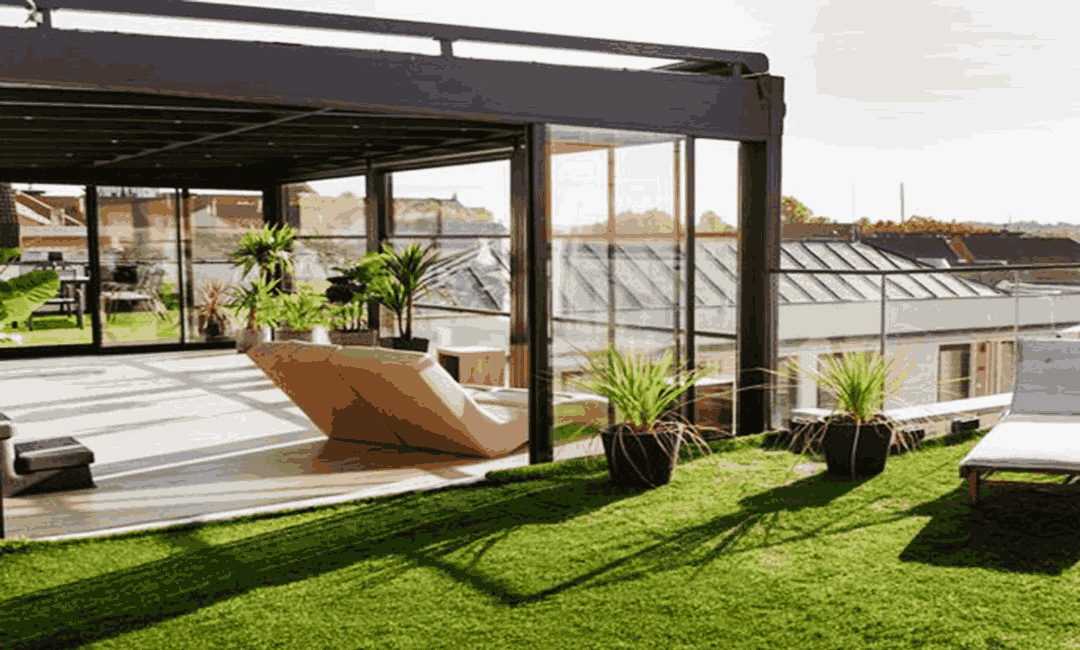
A Retractable Veranda offers dynamic control over outdoor spaces, allowing the roof or side panels to be extended or retracted as needed. These systems use motorized or manual mechanisms to adjust the position of panels, giving complete control over sunlight exposure, ventilation, and protection from weather elements. Materials are selected for durability and aesthetics, often including anodized aluminum frames, laminated tempered glass, and waterproof fabrics. A retractable system can be partially opened to create shade or fully extended for complete coverage, providing comfort during rain or strong sun. Automation features include remote control, smartphone apps, or integration with home automation systems, enabling adjustment without leaving indoor areas. Advanced Retractable Veranda designs include sensors for wind, rain, or sun intensity, automatically modifying the structure for safety and comfort. The system requires careful installation, precise alignment, and consideration of load-bearing capacities to ensure smooth operation and longevity. Side panels, mosquito screens, and heating options are often integrated to enhance usability. Maintenance involves cleaning surfaces, lubricating moving parts, and periodic inspection of the motorized components. A retractable solution not only increases the functionality of outdoor spaces but also adds modern elegance, transforming terraces, gardens, and commercial areas into flexible, multi-season environments.
Veranda: 2026 Factory Prices and System Costs
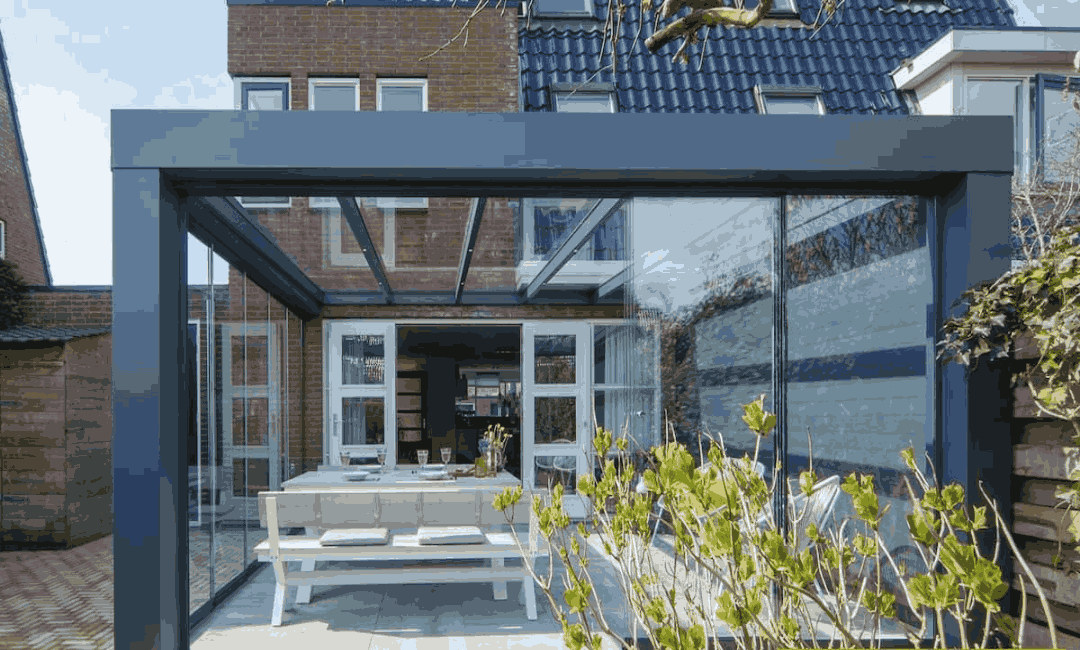
The cost of a Veranda in 2026 depends on multiple factors including size, materials, customization, and included technology. On average, small to mid-sized units with basic aluminum frames and waterproof fabric roofs start around 450–600 EUR per square meter at the factory level. Premium options with tempered glass panels, motorized retractable roofs, heating elements, LED lighting, and automated controls can exceed 1,200 EUR per square meter. Installation complexity, geographic location, and structural requirements may also affect total costs. Custom designs with curved or bioclimatic features increase factory pricing due to engineering, material, and labor demands. Optional side panels, sliding glass walls, or insect protection systems can add additional expenses. Veranda pricing considers both raw materials and assembly sophistication, as motorized systems require precise alignment, robust anchoring, and sometimes additional reinforcement for wind and snow loads. Advanced models with smart home integration, weather sensors, and automatic retractable mechanisms are more expensive but provide higher versatility and comfort. Comparing factory prices across brands requires evaluating warranty coverage, maintenance support, and component quality. Bulk purchases or repeated projects may also allow for discounted rates. Overall, investing in a high-quality Veranda ensures both aesthetic appeal and durability, providing a functional outdoor space adaptable to various climate conditions and personal preferences.
Veranda Prices: What Factors Affect the Cost?
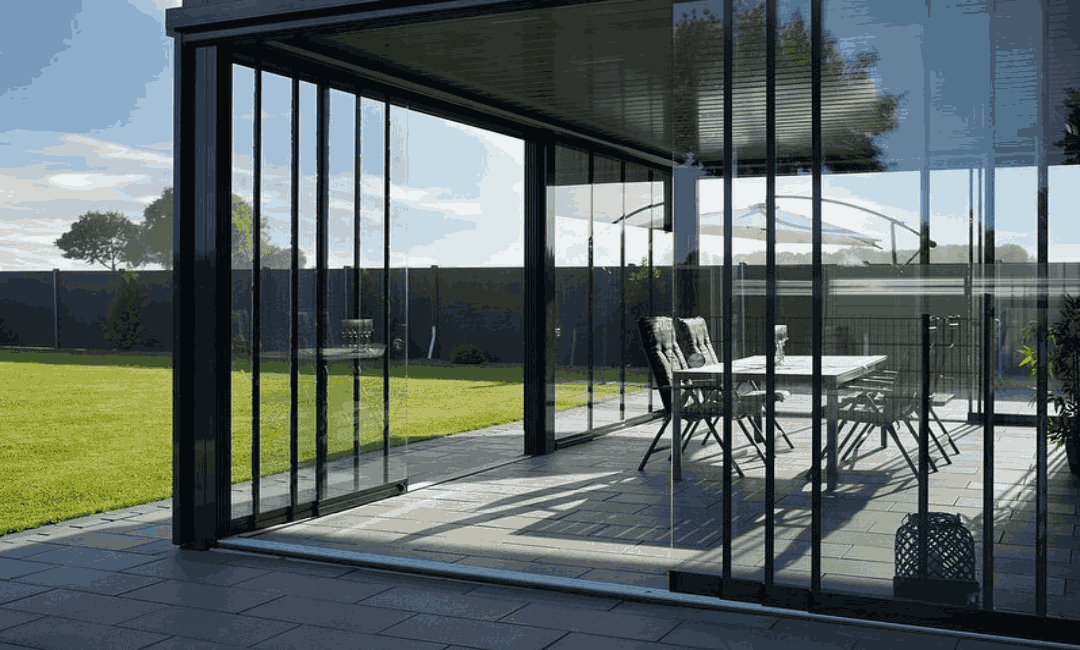
Several key factors influence the cost of a Veranda. The first factor is the material selection; aluminum frames are more cost-effective, while stainless steel or custom-finished frames increase pricing. Roof type is another major determinant: fixed roofs are simpler and cheaper, whereas retractable, bioclimatic, or motorized roofs require more engineering and automation, increasing the price. Glass panels, thickness, and tempered or laminated construction affect costs, as does the type of waterproof fabric or polycarbonate used. Automation and smart control features, such as remote control operation, weather sensors, or smartphone integration, also raise costs due to advanced electronics and motorized systems. Size is critical, with larger structures requiring more materials, labor, and installation time, scaling prices proportionally. Additional features like LED lighting, heating modules, mosquito nets, or sliding glass walls can further increase investment. Structural reinforcement, anchoring, and wind or snow load preparation also impact the total cost. Brand reputation, warranty period, and after-sales service influence perceived value, as premium brands often charge higher but ensure long-term reliability. Considering these factors when budgeting allows homeowners and businesses to select a Veranda that matches both functional requirements and financial expectations.
Veranda Models: What Are the Options?
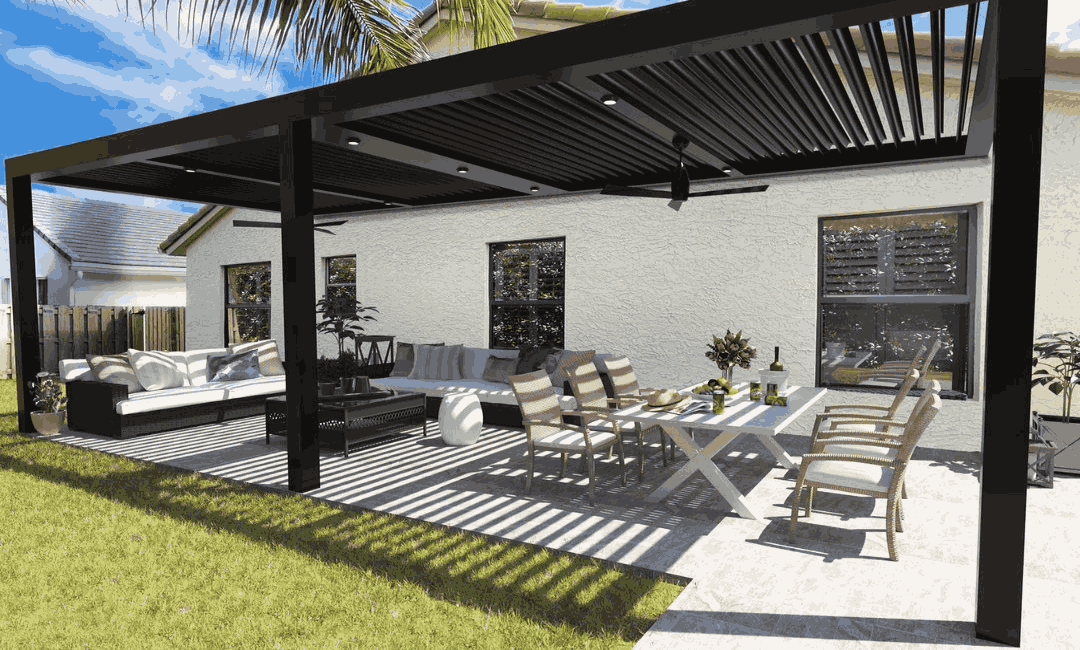
Modern Veranda models range from fixed roof structures to fully automated retractable systems, offering a variety of configurations for different outdoor spaces. Fixed Veranda units are simple yet durable, providing permanent shade and protection. Retractable models allow users to control sunlight exposure, airflow, and protection from rain. Bioclimatic designs include adjustable louvered roofs that optimize ventilation and solar shading. Side screens, sliding glass walls, and mosquito nets increase comfort and privacy, allowing for a seamless transition between indoor and outdoor spaces. Motorized versions integrate with smart home systems, enabling operation via remote or smartphone apps. Materials vary from powder-coated aluminum and stainless steel frames to tempered glass and waterproof fabrics, providing durability while enhancing aesthetics. Veranda models may include lighting, heating, and sensor-based automation for weather-responsive adjustments. Modular designs allow expansion, combining multiple units into larger terraces or garden spaces. Each model addresses specific user needs, whether it is for residential gardens, hotel terraces, or restaurant patios. Choosing the right model requires analyzing location, usage frequency, aesthetic goals, and climate exposure to ensure the Veranda complements the space both functionally and visually.
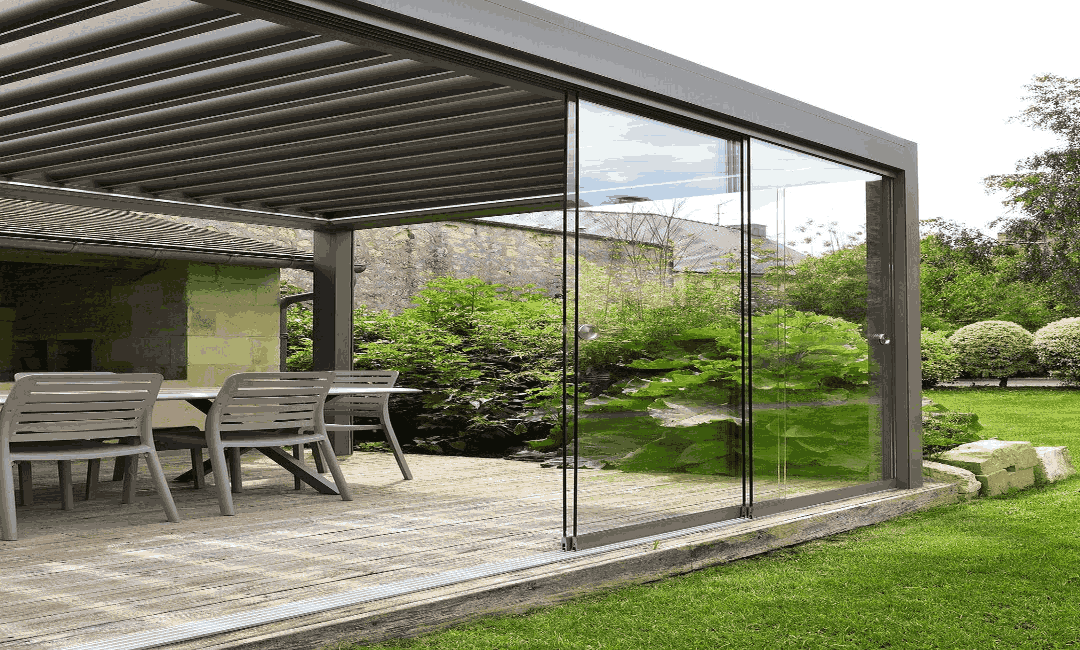
Veranda… But Which Brand Should You Choose?
Selecting a Veranda brand requires examining technical quality, innovation, customer service, and warranty support. Leading brands invest in research and development to optimize structural performance, automation systems, and material durability. They offer certified products that meet international safety standards, ensuring resistance to wind, snow, and corrosion. Some brands specialize in motorized retractable systems with advanced sensors, while others focus on custom architectural designs or cost-effective fixed solutions. Reputation is established through successful installations, consistent quality, and post-sale service. Warranty periods, availability of replacement parts, and technical support also distinguish premium brands. Customer reviews and case studies help evaluate real-world performance, including ease of installation, longevity, and reliability. A trusted brand often provides installation guidance or certified installers to ensure proper assembly. Balancing budget considerations with quality requirements ensures a Veranda that performs well for years. Local availability, responsiveness, and adaptability to project requirements further influence the decision, making brand selection as critical as design or material choices.
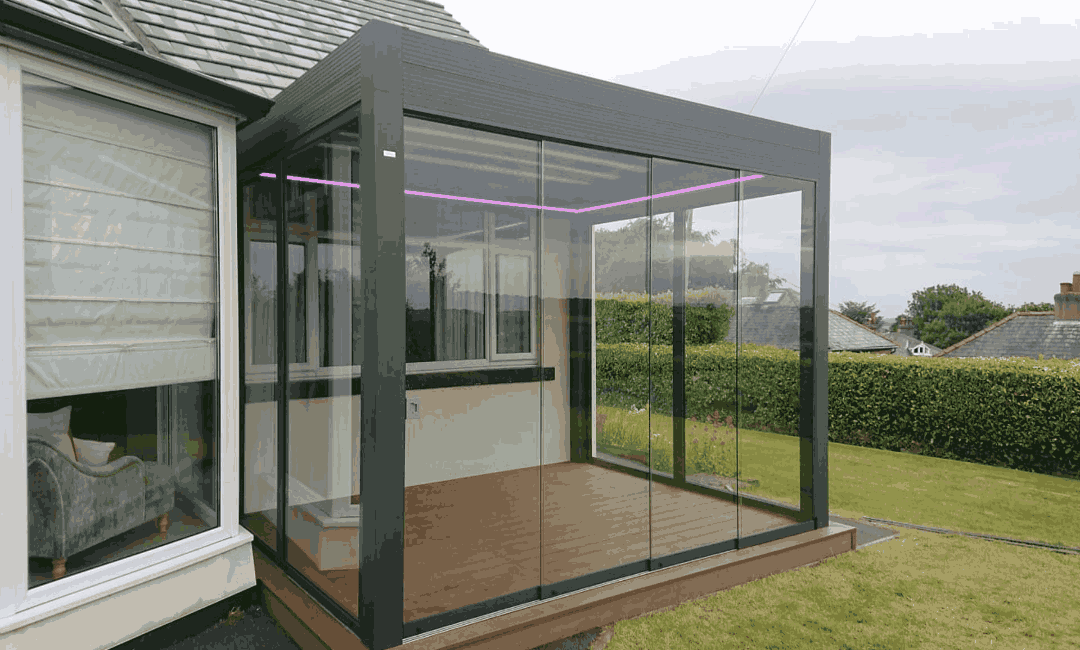
Veranda… Which One Should I Prefer?
Choosing a Veranda involves matching lifestyle needs with structural features. For spaces requiring full protection from sun and rain, a fixed roof model provides reliability and durability. Outdoor areas that demand flexibility and seasonal adaptation benefit from retractable or Bioclimatic Pergola designs with adjustable louvered roofs. Side panels, glass walls, and mosquito nets enhance usability and privacy. Motorized systems offer automation and integration with smart home setups for convenient control. Material selection influences longevity and maintenance; aluminum frames combined with tempered glass or high-quality fabrics ensure resistance to weather and minimal upkeep. Size and modularity allow customization, accommodating terraces, gardens, or commercial patios. Optional features like LED lighting, heating, and sensors increase comfort and functionality. Budget, installation requirements, climate exposure, and aesthetic preferences should all guide the choice. The preferred Veranda provides a balance between visual appeal, adaptability, and long-term durability, transforming outdoor spaces into inviting areas suitable for daily living, entertaining, or hospitality purposes.
Veranda Manufacturers… But Which One Is Right?
Choosing the right Veranda manufacturer involves evaluating expertise, product quality, and after-sales support. Leading Veranda pergola invest in engineering advanced aluminum frames, tempered glass panels, and motorized or retractable systems. They provide certified products with tested load capacity and durability. Top brands integrate automation, smart home controls, and sensor technology for wind, rain, and sun protection. Warranty, technical support, and availability of spare parts differentiate reliable manufacturers from average ones. Successful installations and customer reviews reflect consistency and performance. Some specialize in fixed Veranda designs, others in motorized retractable or bioclimatic models. Local presence and certified installation teams further ensure smooth setup. Evaluating manufacturers on material quality, innovation, and compliance with safety standards guarantees a long-lasting and efficient Veranda that enhances residential or commercial spaces.
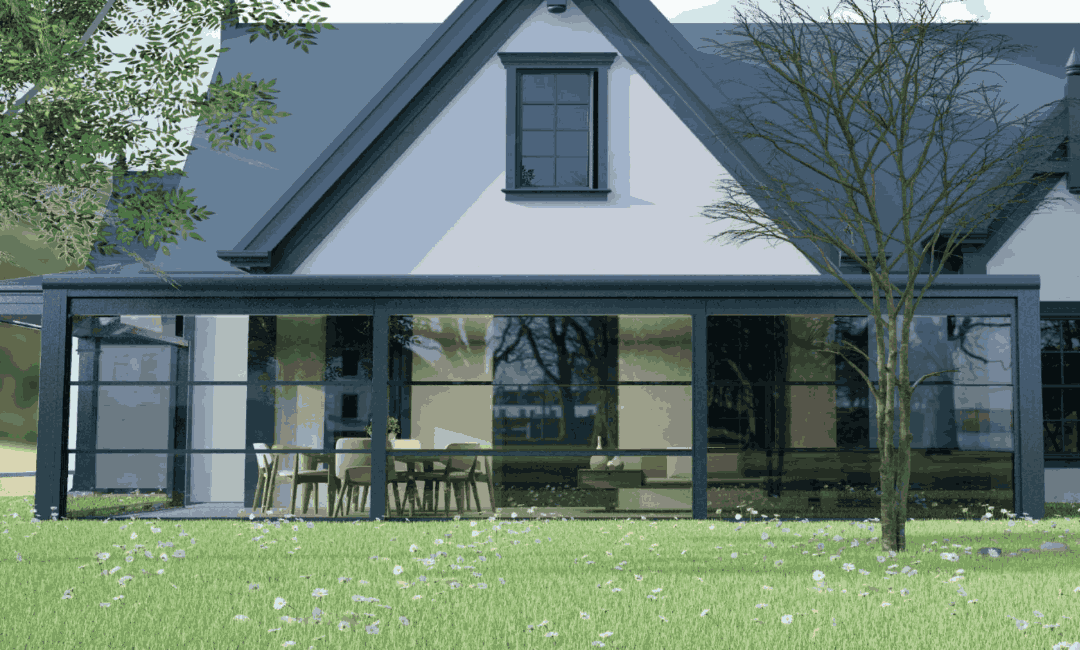
Veranda: What Are the Technical Specifications?
A modern Veranda requires precision-engineered frames, often powder-coated aluminum for strength and corrosion resistance. Tempered glass panels or waterproof fabrics provide protection from sun, rain, and wind. Motorized systems include tilt or retractable mechanisms, enabling full control over shade and airflow. Integrated sensors can detect weather changes and adjust roof panels automatically. Anchoring and structural reinforcement accommodate wind loads and snow accumulation. Optional side panels, sliding glass walls, and mosquito screens improve privacy and usability. Smart home integration allows operation via apps or remote controls. Load-bearing specifications and thermal expansion tolerance ensure long-term stability. High-quality motors and gear systems provide silent operation and minimal maintenance. Choosing the correct Veranda brand guarantees compliance with international standards, durability, and safe installation for residential or commercial use.
Veranda: Is It Advantageous to Install One?
Installing a Veranda adds functional outdoor space, increasing property value and enhancing lifestyle. It protects from sun, rain, and wind while offering flexibility for social gatherings or personal relaxation. Motorized or retractable models allow dynamic control of sunlight and airflow, while bioclimatic designs regulate temperature naturally. Optional side panels and mosquito nets expand usability throughout seasons. A well-chosen Veranda improves energy efficiency by shading adjacent rooms, reducing heat gain. Automated features increase convenience, while integrated lighting and heating extend usability into evenings or cooler months. Professional installation by a certified Veranda pergola ensures stability, safety, and durability. With minimal maintenance, the structure offers long-term comfort and aesthetic appeal, creating a seamless connection between indoor and outdoor spaces.
Why Should You Buy a Veranda?
Purchasing a Veranda transforms outdoor areas into functional, protected, and attractive spaces. Motorized or fixed structures provide weather protection while enhancing social and recreational use. Adjustable roofs or bioclimatic systems allow personalized control of sunlight and ventilation. Materials like aluminum and tempered glass ensure durability, while optional accessories such as side panels, sliding walls, heating, and lighting improve comfort. Smart controls enable remote or automated operation, increasing convenience and energy efficiency. A certified Veranda pergola guarantees quality installation, warranty coverage, and safety compliance. The investment enhances property value, extends outdoor usability across seasons, and creates a stylish, versatile environment suitable for homes, restaurants, or hotels.
Veranda: Where Can It Be Used?
Veranda systems are highly versatile and suitable for residential gardens, terraces, balconies, restaurants, cafes, hotel patios, or commercial outdoor areas. Motorized retractable models adjust to weather conditions, making them ideal for variable climates. Bioclimatic louvered roofs regulate temperature naturally, improving comfort. Sliding glass walls, mosquito nets, and optional heating extend usability across seasons. Smart home integration allows convenient operation and automation. Professional installation by a certified Veranda pergola ensures structural integrity and safety. Outdoor spaces gain aesthetic appeal, protection from weather, and functionality, transforming them into multi-purpose areas for dining, entertaining, relaxation, or work while maintaining seamless integration with indoor spaces.
Veranda Systems 2026: What Are the Prices Per Square Meter?
In 2026, the cost of a Veranda system is determined by several factors including size, roof type, material selection, motorization, and additional features. For small systems ranging from 0 to 10 m², factory prices start at approximately 300 EUR per square meter for motorized aluminum structures. Basic fixed roof models without automation are generally less expensive, while motorized or retractable Veranda systems cost more due to the complexity of moving parts, precision engineering, and electrical components. The type of roof—whether fabric, polycarbonate, tempered glass, or bioclimatic louvered panels—directly affects the price, as more durable or insulated materials require higher-quality fabrication and assembly. Optional features such as sliding glass walls, side screens, mosquito nets, LED lighting, and heating modules further influence costs, enhancing comfort, usability, and aesthetics. Larger areas increase material requirements, installation complexity, and labor, which proportionally raise the price per square meter. Custom designs with non-standard dimensions, curved layouts, or integrated automation for smart home systems are at the premium end of pricing. Additional considerations include anchoring methods, wind and snow load reinforcement, and compliance with safety standards, all of which contribute to the final cost. Selecting a certified Veranda manufacturer ensures durability, warranty coverage, and proper installation. Overall, understanding these factors allows homeowners and businesses to budget effectively while achieving a functional, aesthetically pleasing outdoor space adaptable to seasonal and weather variations.
| 0 – 10 m² |
300 EUR / m² |
Motorized, Aluminum |
Pricing depends on size, roof type, motorization, material quality, and optional features like LED lighting, heating, and sliding glass walls. Larger areas and custom designs may increase per-square-meter costs.
Veranda Systems Prices – FAQ (Frequently Asked Questions)
-
How much does a Veranda cost per m²?
Prices start at 15.000 TL / m² for motorized aluminum systems.
-
Are retractable Veranda systems more expensive?
Yes, automation and sensors increase the price compared to fixed roofs.
-
Can I integrate a Veranda with smart home systems?
Most motorized Veranda systems support remote control and app integration.
-
What materials are used in high-quality Veranda systems?
Aluminum frames, tempered glass, waterproof fabrics, and durable motor components.
-
Do Veranda systems include lighting and heating options?
Optional LED lights and heating modules are available for comfort and extended use.
-
How long does installation take for a small Veranda?
Small systems (0–10 m²) usually require 1–2 days depending on anchoring and customization.


 Deutsch
 Français
 Español
 Italiano
 Русский
 România
 Ελλάδα
 България
 Hungarian
 Hrvatska
 Polska
 Belgium
 Србија
 Босна
Босна Turkish
 العربية