What is a Winter Garden and How Does It Work?
A Winter Garden is a fully enclosed or partially enclosed outdoor living space designed to provide comfort and usability throughout the year, regardless of weather conditions. Unlike traditional gardens or terraces, a Winter Garden is typically surrounded by glass walls, sliding panels, or Guillotine Glass systems, allowing natural light to enter while protecting the interior from rain, snow, wind, and cold temperatures. The roof can be made of glass, polycarbonate, or retractable roofing systems, sometimes integrated with motorized mechanisms for opening and closing, providing flexible ventilation and temperature control. High-quality Winter Gardens include insulated glazing, weather-resistant frames, and thermal seals to maintain indoor temperature and reduce energy consumption. Advanced systems may integrate heating, cooling, or humidity control to ensure a comfortable environment throughout the seasons. Installation involves precise anchoring of frames, alignment of sliding or fixed panels, and calibration of motorized or retractable roofs to ensure smooth operation and durability. Winter Gardens can serve multiple purposes, such as additional living space, dining areas, home offices, or recreational zones, enhancing property value and usability. Optional features include shading systems, LED lighting, automated ventilation, and motorized blinds to optimize comfort and energy efficiency. With careful design and high-quality materials, a Winter Garden combines the beauty of the outdoors with the protection of an indoor environment, creating a bright, airy, and functional space that can be enjoyed year-round. Proper maintenance, including cleaning glass panels, checking seals, and servicing moving parts, ensures longevity and reliable performance.
Winter Garden: 2026 Factory Prices and System Costs
A modern Winter Garden system creates a comfortable, protected, and visually impressive space that allows people to enjoy outdoor views while remaining sheltered from weather conditions. These structures are widely used in homes, terraces, cafes, restaurants, and hotel areas where year-round usability is important. The 2026 factory prices of a Winter Garden depend on many technical details including structural materials, roof technology, glass quality, insulation features, and the total size of the project area. Aluminum construction systems are often preferred because they provide long-term durability, corrosion resistance, and strong load capacity for large glass panels.
The cost of producing a Winter Garden system begins at the manufacturing stage where aluminum profiles are cut, processed, and prepared for assembly. High-quality production requires precise engineering, strong connection elements, and waterproof sealing systems. Glass selection also plays a major role in the final price. Tempered glass, laminated safety glass, and insulated double glazing panels provide different levels of safety and energy efficiency. Many modern projects include motorized roof systems, integrated drainage channels, and hidden structural connections that increase both the aesthetic value and the installation complexity.
Factory costs in 2026 are also influenced by technological features such as automated ventilation systems, sliding glass panels, integrated LED lighting, and remote-controlled roof mechanisms. Each additional feature increases the functionality of the Winter Garden while affecting the production budget. Projects designed with custom dimensions or unique architectural shapes may require special manufacturing processes. Professional installation, transportation, structural calculations, and weather resistance testing are also important components that contribute to the total system cost of a high-quality Winter Garden.
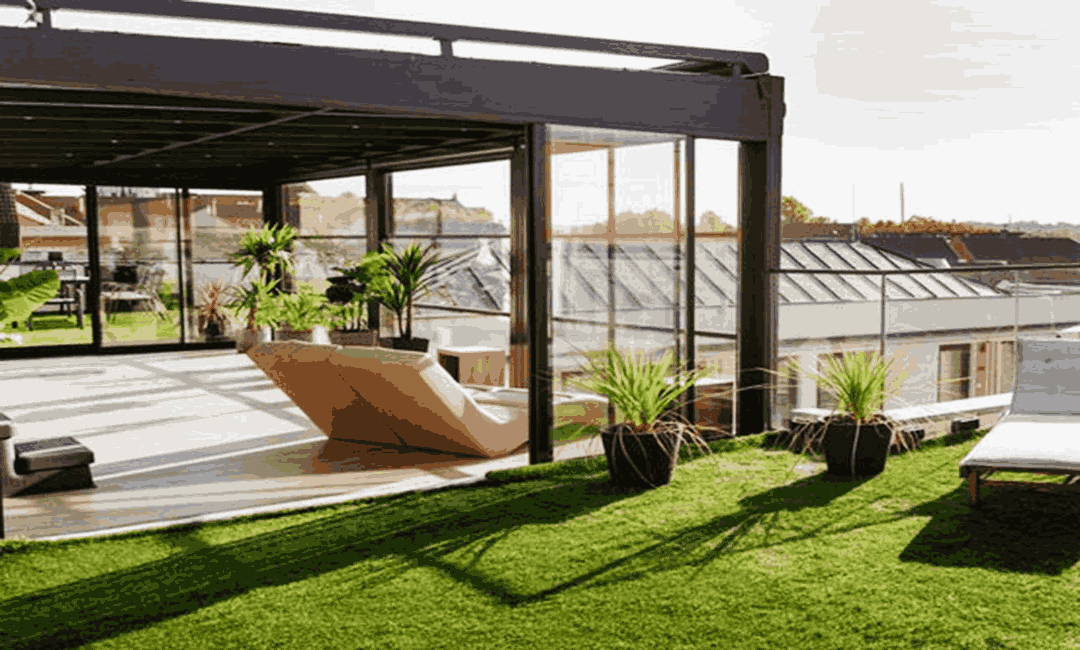
Winter Garden Prices: What Factors Affect the Cost?
The total cost of installing a Winter Garden can vary significantly depending on the structural design, materials used, and technological components included in the project. One of the most influential factors is the size of the installation area. Larger structures require stronger aluminum frameworks, additional glass panels, and reinforced support systems that increase both material and labor costs. The architectural complexity of the project can also influence pricing when special roof angles, custom shapes, or integrated terrace systems are involved.
Glass quality is another major factor that directly affects Winter Garden prices. Many installations use double-glazed or laminated glass panels that provide insulation and safety. These materials help regulate interior temperature while protecting the space from wind, rain, and external noise. High-performance glass systems are more expensive but offer significant long-term comfort benefits. The type of roof system chosen for the project also changes the total investment. Fixed glass roofs, polycarbonate panels, and movable aluminum roof structures all have different engineering requirements.
Automation technologies and additional comfort features may increase the price of a Winter Garden installation. Remote-controlled shading systems, sliding glass walls, automatic rain sensors, and integrated lighting systems require electrical components and specialized installation processes. Structural durability is another cost factor because high-quality aluminum profiles must support large glass surfaces safely. Professional engineering calculations, waterproof sealing, and long-term durability testing contribute to the overall value of a Winter Garden, making these systems both functional and aesthetically appealing living spaces.
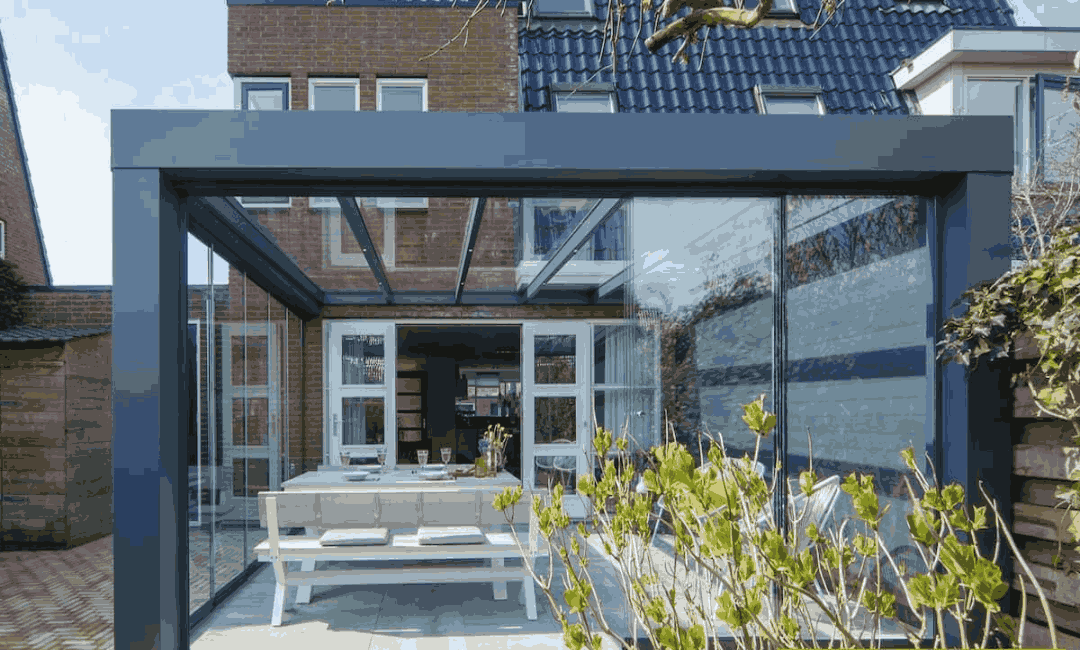
Winter Garden Models: What Are the Options?
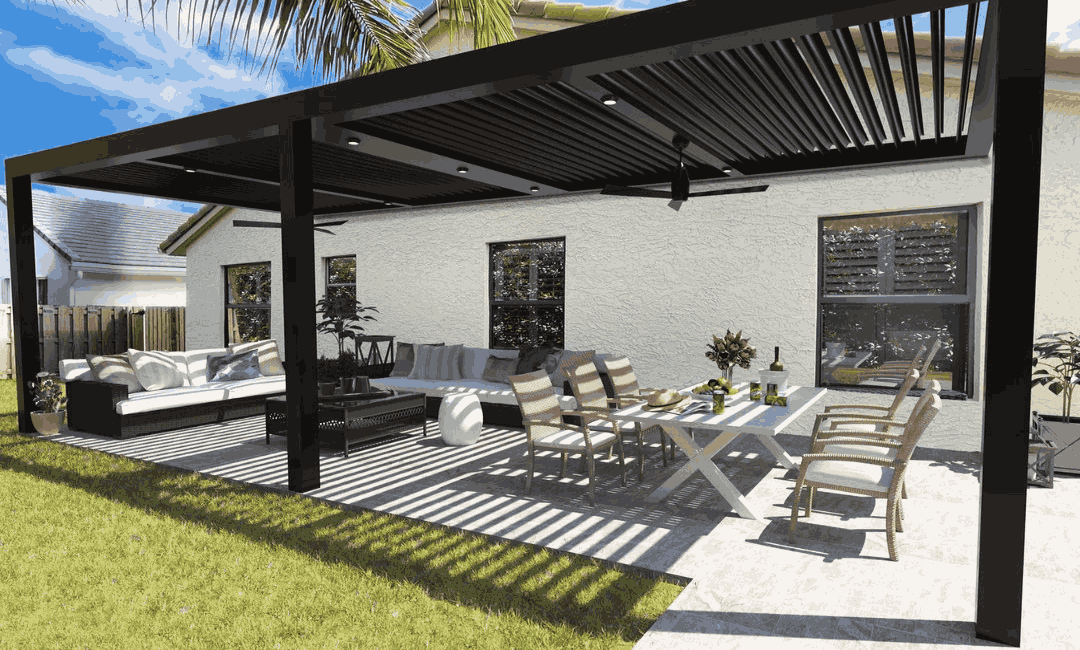
There are many architectural variations of a Winter Garden, each designed to meet different functional and aesthetic needs. The most traditional model is the fixed glass winter garden, which features a stable roof structure combined with large glass surfaces that allow natural daylight to enter the space. This design is often preferred for residential homes because it creates a calm environment suitable for relaxation, dining areas, or indoor gardens. Aluminum structural frames provide the strength needed to hold large glass panels while maintaining a modern and elegant appearance. Companies like Bioclimatic Pergola specialize in delivering such precise aluminum structures with high-quality finishes, making installation smoother and more durable.
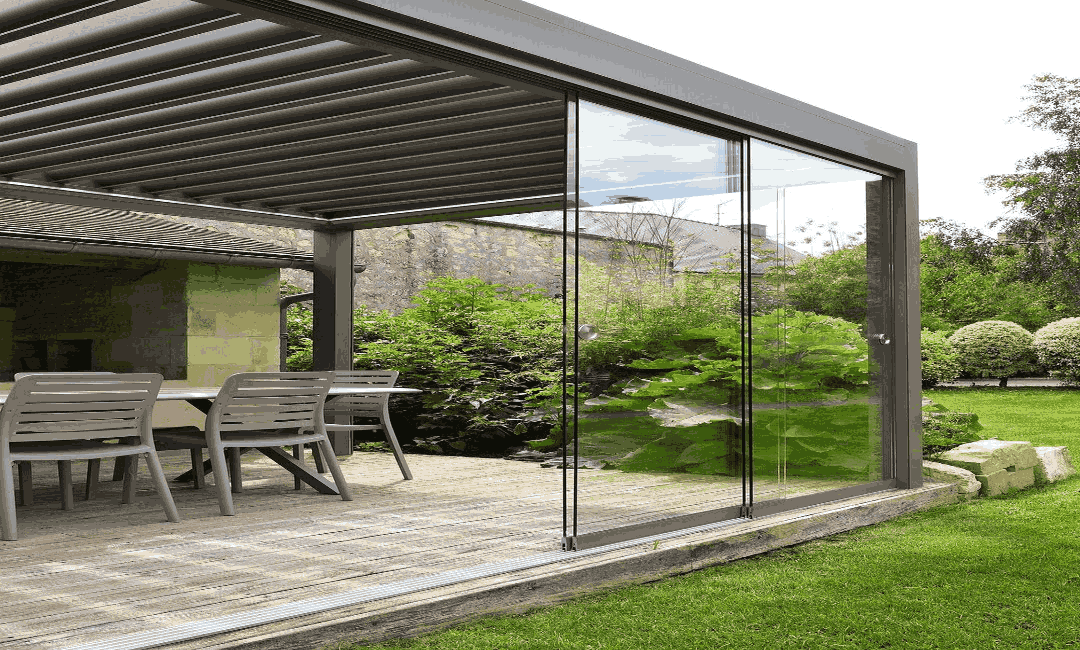
Another popular model is the sliding glass Winter Garden, where large glass panels can move along hidden rail systems to open the space when weather conditions are pleasant. This design provides flexibility and allows the indoor area to merge with the outdoor environment. Motorized roof models are also increasingly popular in contemporary architecture. Brands such as Bioclimatic Pergola offer these advanced motorized systems with precise automation, ensuring that roof panels operate seamlessly for ventilation, sunlight control, and rain protection.
Panoramic terrace designs represent another type of Winter Garden model where large transparent surfaces create uninterrupted landscape views. These installations are often used in restaurants, cafes, or scenic residential locations. Structural engineering plays an essential role in these designs because large spans require strong aluminum frames and carefully planned load distribution. Different roof shapes such as gable roofs, flat roofs, and sloped glass roofs create unique visual effects. Bioclimatic Pergola provides customizable solutions for all these architectural styles, allowing each Winter Garden project to meet the client’s functional and aesthetic expectations.
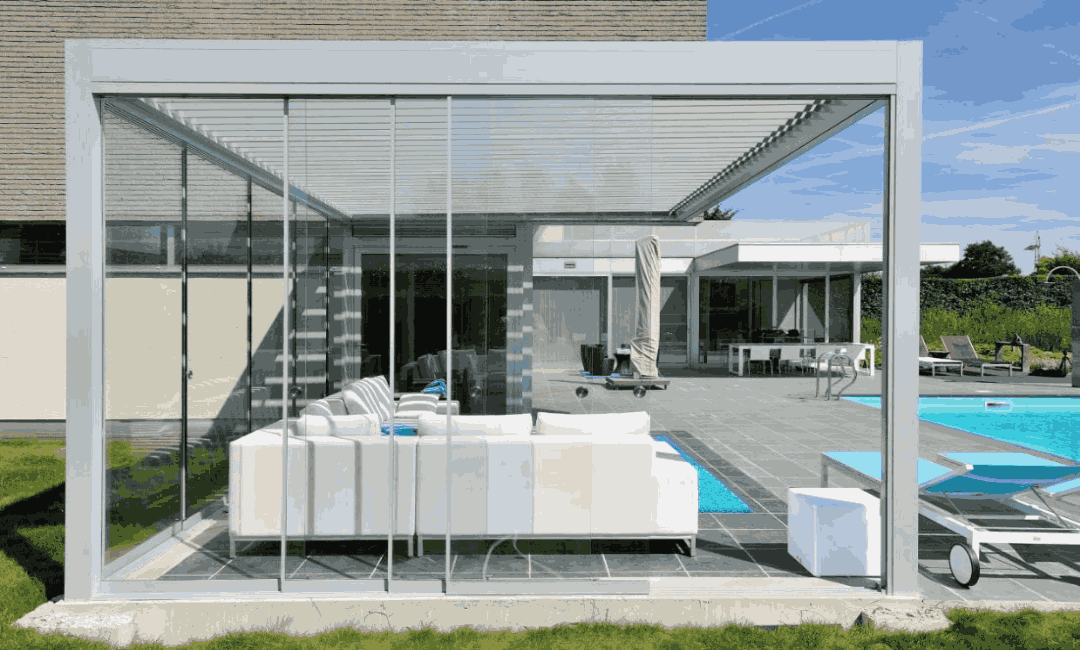
Winter Garden… But Which Brand Should You Choose?
Selecting the right manufacturer for a Winter Garden system requires attention to quality standards, engineering expertise, and installation experience. A reliable brand typically uses high-grade aluminum profiles that resist corrosion and structural deformation over many years. Strong sealing systems and waterproof drainage channels are essential components that ensure the Winter Garden remains protected from heavy rain and wind conditions. Bioclimatic Pergola is recognized for its durable aluminum structures, precise engineering, and advanced motorized systems.
Professional manufacturers invest heavily in research and development to improve the durability and performance of their Winter Garden systems. Advanced manufacturing techniques allow aluminum frames to be produced with high precision, ensuring that glass panels fit perfectly within the structure. This precision reduces the risk of water leakage, structural instability, or operational problems in movable components. Brands that prioritize engineering quality, like Bioclimatic Pergola, provide technical documentation, safety certifications, and long-term warranties for their systems, giving clients confidence in their investment.
Installation expertise is another important factor when choosing a Winter Garden brand. Even the highest quality materials require professional assembly to ensure structural stability and proper insulation. Experienced installation teams carefully measure the installation area, prepare the supporting structure, and complete the assembly process with attention to detail. Customer support services, spare part availability, and long-term maintenance options offered by Bioclimatic Pergola further enhance the reliability and longevity of each Winter Garden project.
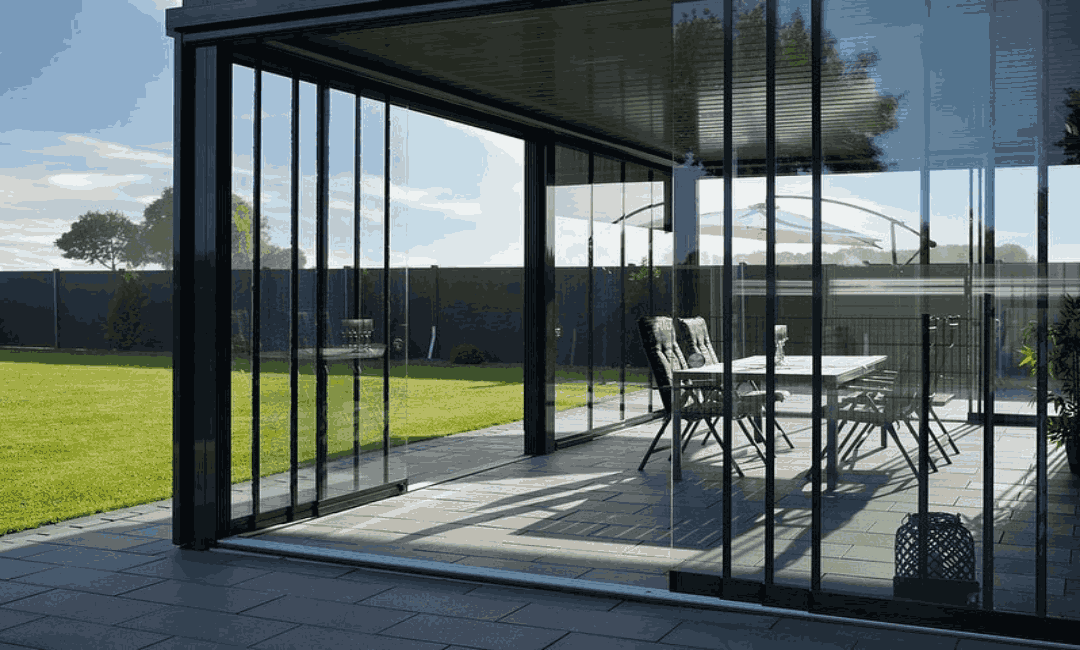
Winter Garden… Which One Should I Prefer?
Choosing the most suitable Winter Garden depends on the purpose of the space, the architectural design of the building, and the level of comfort expected from the system. Residential users often prefer designs that emphasize thermal insulation, visual elegance, and quiet indoor environments. Large glass surfaces combined with insulated aluminum frames create a comfortable living area that can be used as a lounge, dining room, or relaxation space.
Commercial properties such as cafes and restaurants often require a Winter Garden system that provides flexibility and high capacity for guests. Sliding glass walls and adjustable roof systems allow the space to adapt quickly to changing weather conditions. This flexibility increases the usability of the area during different seasons while maintaining a pleasant atmosphere for visitors. Strong structural engineering is essential in commercial installations because these spaces often involve large spans and heavy glass panels.
Architectural compatibility is another important consideration when selecting a Winter Garden model. The design should complement the existing structure of the building while maintaining visual harmony with the surrounding environment. Roof shape, glass transparency, frame color, and lighting features all contribute to the final appearance of the installation. Careful planning, high-quality materials, and professional engineering help ensure that a Winter Garden becomes a durable and attractive extension of the building.
Winter Garden Manufacturers… But Which One Is Right?
Choosing among Winter Garden manufacturers requires careful evaluation of engineering quality, material standards, and installation expertise. A well-designed Winter Garden structure must withstand wind loads, seasonal temperature changes, and long-term outdoor exposure. Manufacturers that focus on structural durability usually produce systems using high-strength aluminum profiles combined with precision glass installations. These materials allow the Winter Garden to maintain stability while providing a bright and transparent living environment.
Production technology is another critical element when comparing manufacturers. Companies that operate modern factories typically use CNC aluminum processing machines, automated cutting systems, and advanced sealing technologies. These processes ensure that each Winter Garden component is manufactured with precise measurements, reducing installation errors and improving structural reliability. Engineering calculations for load distribution, roof slope, and drainage channels must also be carefully planned during the design stage.
Installation service quality often separates reliable manufacturers from inexperienced producers. A professional installation team ensures that the Winter Garden structure is securely fixed to the building, properly insulated, and fully protected from water infiltration. Customer support, warranty policies, and spare part availability can also influence the long-term satisfaction of users. A manufacturer that offers strong technical support and consistent production quality helps ensure that a Winter Garden installation remains functional and visually appealing for many years.
Winter Garden: What Are the Technical Specifications?
A Winter Garden system combines aluminum structural frames with advanced roofing technology to create a sheltered space that can be used during different weather conditions. The technical specifications of these systems usually include high-strength aluminum profiles designed to support large roof surfaces and glass panels. These aluminum components are often powder-coated to protect them against corrosion, humidity, and ultraviolet exposure. The structural framework of a Winter Garden must also include strong connection elements that maintain stability during heavy wind conditions.
Roof systems represent one of the most important technical components. Many modern installations use insulated glass panels, laminated safety glass, or polycarbonate sheets depending on the design requirements. These roof materials help regulate sunlight penetration while maintaining protection from rain and snow. In advanced designs, the Winter Garden roof may include motorized opening panels that allow natural ventilation when weather conditions are suitable.
Drainage and waterproofing systems are essential technical features in a Winter Garden installation. Hidden gutter channels and integrated water discharge systems ensure that rainwater flows away from the structure without causing leakage problems. Glass wall systems can also be integrated with sliding or folding mechanisms to create flexible spaces. These technical specifications allow a Winter Garden to function as a comfortable living environment while maintaining structural safety and durability.
Winter Garden: Is It Advantageous to Install One?
Installing a Winter Garden provides several functional and aesthetic advantages for residential and commercial properties. One of the main benefits is the ability to create a protected outdoor space that can be used throughout the year. Rain, wind, and excessive sunlight no longer limit the usability of terraces, gardens, or patio areas when a Winter Garden system is installed. The transparent design allows natural daylight to illuminate the interior space while maintaining protection from weather conditions.
Another advantage of a Winter Garden is the improvement it brings to the architectural value of a building. Glass structures supported by elegant aluminum frames create a modern visual appearance that enhances the overall design of the property. These installations often transform underused outdoor areas into functional living spaces suitable for relaxation, dining, or social gatherings.
Energy efficiency can also be improved through the installation of a Winter Garden. Glass panels and insulated roofing materials help regulate temperature levels by reducing heat loss during colder seasons while controlling excessive sunlight during warmer periods. Properties equipped with a Winter Garden installation often gain additional usable space that increases property value and functionality without requiring a complete building expansion.
Why Should You Buy a Winter Garden?
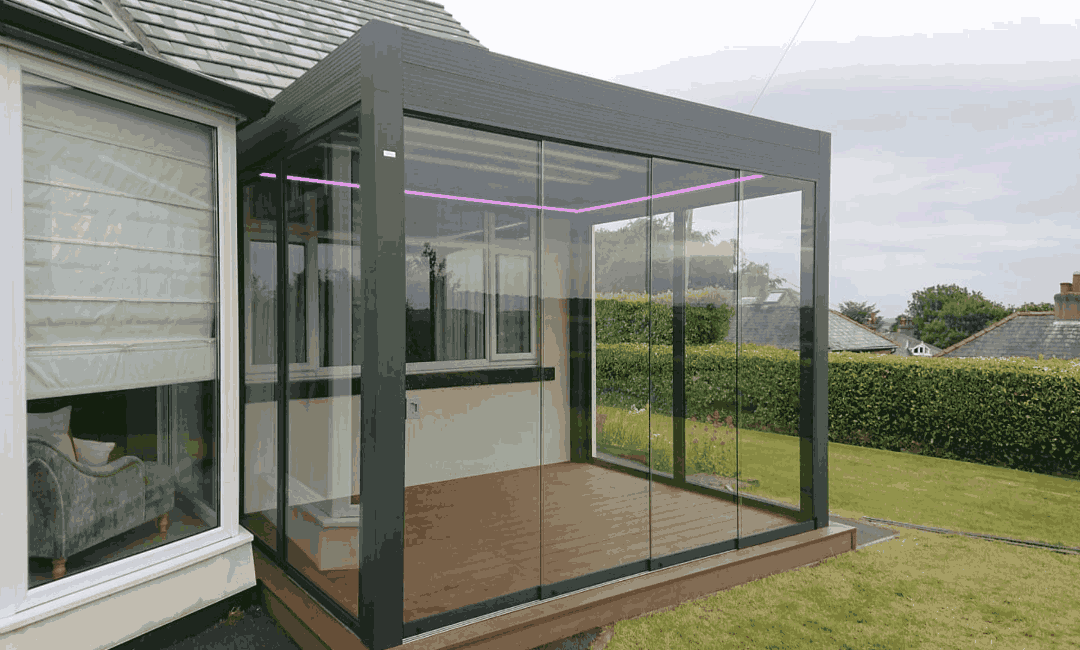
Purchasing a Winter Garden offers practical benefits for property owners who want to extend their living areas while maintaining comfort and aesthetic appeal. One of the most attractive aspects of a Winter Garden structure is its ability to connect indoor and outdoor environments seamlessly. Large glass surfaces create a panoramic atmosphere that allows users to enjoy garden views, landscapes, and natural daylight without exposure to harsh weather conditions.
A Winter Garden also improves the usability of outdoor spaces that might otherwise remain unused during colder seasons. Terraces, balconies, and garden seating areas become comfortable environments where people can relax, entertain guests, or enjoy meals regardless of changing weather conditions. Restaurants and cafes frequently install Winter Garden systems to increase their seating capacity while maintaining a bright and welcoming atmosphere for visitors.
Durability and low maintenance requirements make a Winter Garden an attractive long-term investment. Aluminum structural frames resist corrosion and deformation, while tempered glass panels provide safety and clarity. These systems are designed for long operational lifespans when installed correctly. Property owners who invest in a well-designed Winter Garden gain both functional space and architectural enhancement that contributes to the overall value of their property.
Winter Garden: Where Can It Be Used?
A Winter Garden system can be installed in a wide range of locations depending on architectural design and functional requirements. Residential properties often use these systems to cover terraces, garden seating areas, or balconies. By installing a Winter Garden, homeowners can create a bright and sheltered environment that allows them to enjoy outdoor views while remaining protected from weather conditions.
Commercial spaces also benefit significantly from Winter Garden installations. Restaurants, cafes, and hotels frequently use these structures to create elegant outdoor seating areas that remain functional throughout the year. Transparent glass walls and strong aluminum frames allow customers to enjoy natural surroundings while maintaining comfort during rain or cold weather. A Winter Garden also helps businesses increase their usable seating capacity.
Public venues and recreational facilities may install Winter Garden systems to create sheltered relaxation areas. Parks, event venues, and rooftop terraces can benefit from these architectural structures because they provide weather protection while maintaining an open and spacious atmosphere. The flexible design of a Winter Garden allows it to be adapted to different environments, making it a versatile architectural solution.
Winter Garden Models 2026: What Are the Prices Per Square Meter?
The square meter price of a Winter Garden in 2026 depends on several structural and technological factors. One of the most significant cost elements is the material quality used in the system. Aluminum frame thickness, glass panel type, and roof system design all contribute to the overall price. High-quality aluminum profiles designed for heavy structural loads often increase the durability of a Winter Garden while influencing the production cost. For small installations between 0 – 10 m², average starting prices are around 300 EUR per m² for systems built with motorized mechanisms and aluminum structures, which are widely preferred for modern terrace and garden projects.
Roof technology also plays a major role in determining square meter prices. Fixed glass roofs, insulated panel roofs, and motorized opening roof systems have different engineering requirements. A Winter Garden equipped with automated ventilation or sliding glass walls requires additional mechanical components that influence pricing. Structural design complexity, roof angle, and drainage engineering can also affect the total project cost. In many compact residential projects within the 0 – 10 m² range, systems that include motorized aluminum roof structures are commonly priced starting from 300 EUR / m², depending on the level of automation and glass quality.
Installation conditions may further influence the final square meter price of a Winter Garden. Projects installed on rooftops or elevated terraces may require additional reinforcement systems or safety measures. Professional installation services, transportation of materials, and custom architectural design can also affect the budget. Even though the base market value for smaller Winter Garden systems generally begins at 300 EUR per m² for motorized aluminum structures between 0 – 10 m², the final price is typically calculated individually based on the project dimensions, technical specifications, and architectural design preferences.
Winter Garden Systems Prices – FAQ (Frequently Asked Questions)
Many property owners researching Winter Garden installations have questions about pricing, durability, and system performance. One frequently asked question concerns the average cost of a Winter Garden system. Prices vary depending on the size of the structure, the type of glass used, and the complexity of the roof design. Larger projects with motorized roofs and sliding glass panels typically require higher investment due to additional mechanical components.
Another common question involves maintenance requirements. A well-installed Winter Garden system generally requires minimal maintenance when high-quality materials are used. Aluminum frames resist corrosion, and tempered glass surfaces are designed for durability and safety. Periodic cleaning and occasional inspection of sealing components help maintain the performance of the structure.
Users often ask about the durability and lifespan of a Winter Garden installation. High-quality systems designed with strong aluminum structures and properly engineered glass components can remain functional for many years. Professional installation and correct structural calculations ensure that the Winter Garden remains stable under different weather conditions. These frequently asked questions help property owners better understand how a Winter Garden system functions and what factors influence its price and performance.
Winter Garden Manufacturers… But Which One Is Right?
Choose a manufacturer with strong aluminum systems, durable glass quality, professional installation, and proven experience in building reliable Winter Garden structures.
Winter Garden: What Are the Technical Specifications?
A Winter Garden uses aluminum frames, tempered or laminated glass panels, integrated drainage, strong sealing systems, and optional motorized roof technology.
Winter Garden: Is It Advantageous to Install One?
Installing a Winter Garden creates a protected space usable in all seasons while increasing comfort, property value, and the functionality of outdoor areas.
Why Should You Buy a Winter Garden?
A Winter Garden expands living space, protects against weather, provides natural light, and creates a stylish outdoor area for relaxation or social use.
Winter Garden: Where Can It Be Used?
A Winter Garden can be used on terraces, gardens, balconies, cafes, restaurants, hotels, rooftops, and outdoor seating areas for year-round comfort.
Winter Garden Models 2026: What Are the Prices Per Square Meter?
Winter Garden prices per square meter in 2026 vary based on aluminum quality, glass type, roof system, automation features, and installation complexity.
Winter Garden Systems Prices – FAQ (Frequently Asked Questions)
Winter Garden prices depend on size, materials, glass quality, roof technology, and installation details, making each project cost different from another.


 Deutsch
 Français
 Español
 Italiano
 Русский
 România
 Ελλάδα
 България
 Hungarian
 Hrvatska
 Polska
 Belgium
 Србија
 Босна
Босна Turkish
 العربية