What is a Rolling Roof and How Does It Work?
A Rolling Roof is a modern, versatile roofing solution designed to provide flexible coverage for outdoor areas such as patios, terraces, pergolas, and commercial spaces. Unlike fixed roofs, a Rolling Roof can be extended or retracted along guided tracks, allowing users to control sunlight, ventilation, and shelter from rain or wind according to their needs. These systems typically use motorized mechanisms powered by electric motors, ensuring smooth and effortless operation, although manual versions with crank systems are also available. The roof material is usually made from durable, weather-resistant fabrics, PVC-coated polyester, or lightweight aluminum panels, providing protection against UV rays, rain, and debris. High-quality Rolling Roof systems include reinforced tracks, rollers, and tensioning cables to prevent sagging or flapping, even in windy conditions. Advanced models offer smart home integration, allowing remote control or automatic operation based on weather sensors that detect rain, wind, or sunlight intensity. Installation involves securely anchoring the structural frame, aligning tracks, and calibrating motorized components to ensure smooth motion and long-term performance. Optional features include integrated LED lighting, side screens for privacy and wind protection, and heating elements for enhanced comfort. Rolling Roofs not only increase the usability of outdoor spaces but also enhance property aesthetics, blending modern design with functionality. Proper maintenance, such as cleaning the fabric, lubricating moving parts, and inspecting tracks, ensures durability and uninterrupted performance. With their combination of flexibility, weather protection, and elegant design, Rolling Roofs provide an ideal solution for homeowners, businesses, and hospitality venues, creating all-weather outdoor areas that can be adjusted instantly for comfort and convenience throughout the year.
Rolling Roof: 2026 Factory Prices and System Costs
The 2026 market for Rolling Roof systems offers an extensive variety of factory-direct prices and installation costs, influenced by numerous factors such as material quality, motorization options, size, and design complexity. A standard aluminum Rolling Roof with manual operation generally costs less than its motorized or automated counterparts, which integrate remote controls, smart home compatibility, and weather sensors. Glass panels, polycarbonate, and hybrid materials can significantly alter the price due to durability, insulation properties, and aesthetic appeal. Factory prices often provide better value compared to retail due to direct sourcing, eliminating intermediaries. However, installation costs should be considered, as they vary depending on structural requirements, roof slope, electrical connections, and any custom features. Regional labor costs also impact the final figure, with urban centers typically being higher than rural areas. Some factories include warranty packages covering motorized components, structural frames, and weatherproofing materials, which adds value but can raise upfront prices. Seasonal fluctuations, promotions, and technological innovations in 2026 can influence pricing trends, making it essential for buyers to compare quotes, understand material benefits, and evaluate long-term performance. Investing in high-quality components ensures lower maintenance costs and longer lifespan for Rolling Roof systems, making price comparisons more meaningful when considering total cost of ownership.
Rolling Roof Prices: What Factors Affect the Cost?
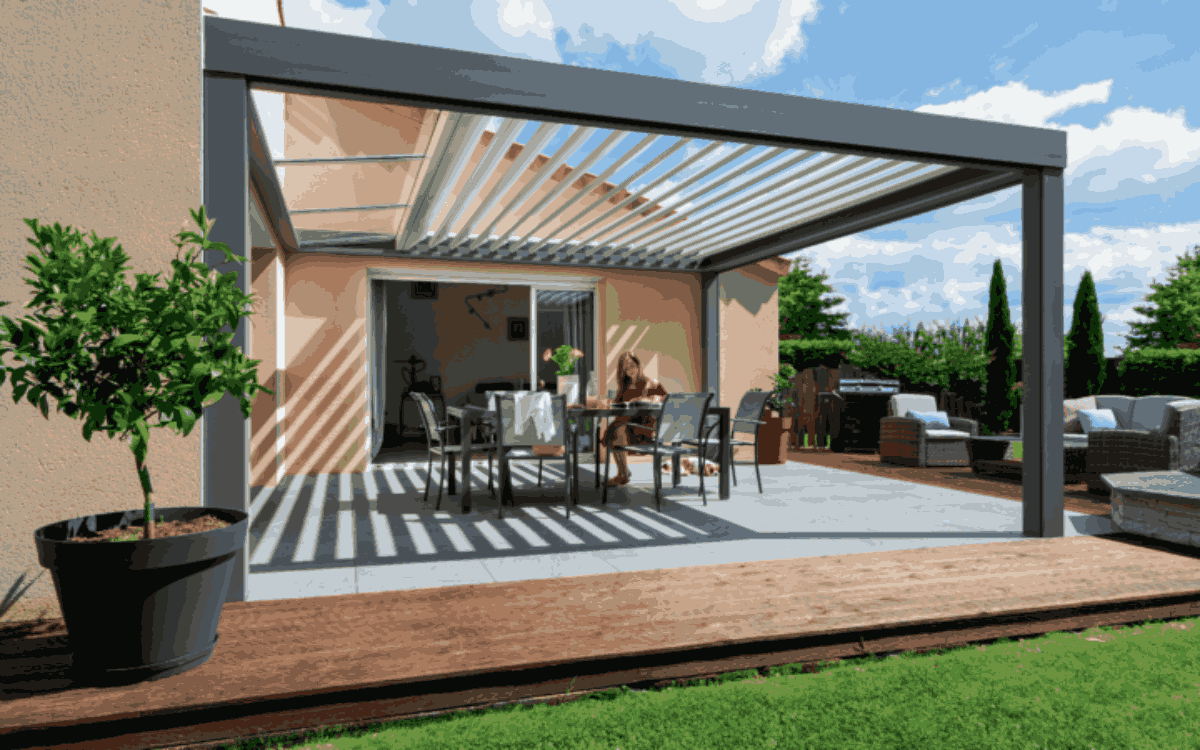
Multiple variables affect Rolling Roof prices in 2026, making the cost evaluation complex. First, material selection plays a significant role: aluminum frames with polycarbonate panels are more affordable than reinforced steel with tempered glass. Motorized versus manual operation is another key factor; automated systems with remote control, smartphone integration, and sun or rain sensors significantly increase the price due to advanced technology. The size of the Rolling Roof system is directly proportional to cost, as larger areas require more materials, stronger support structures, and higher power motors. Custom designs and aesthetic enhancements, such as decorative trims, color coatings, and lighting integration, further influence pricing. Installation conditions, including roof slope, accessibility, and required structural modifications, can add substantial labor costs. Geographic location also matters: labor costs and local regulations vary, affecting total project expenses. Factory pricing, often lower than retail, provides direct access to components, but warranties and after-sales service need careful evaluation. Buyers must also account for maintenance considerations, as premium materials reduce long-term repair costs. Comparing multiple suppliers while analyzing these factors enables a comprehensive understanding of the investment required for a durable, high-performing Rolling Roof system capable of enhancing outdoor living spaces.
Rolling Roof Models: What Are the Options?
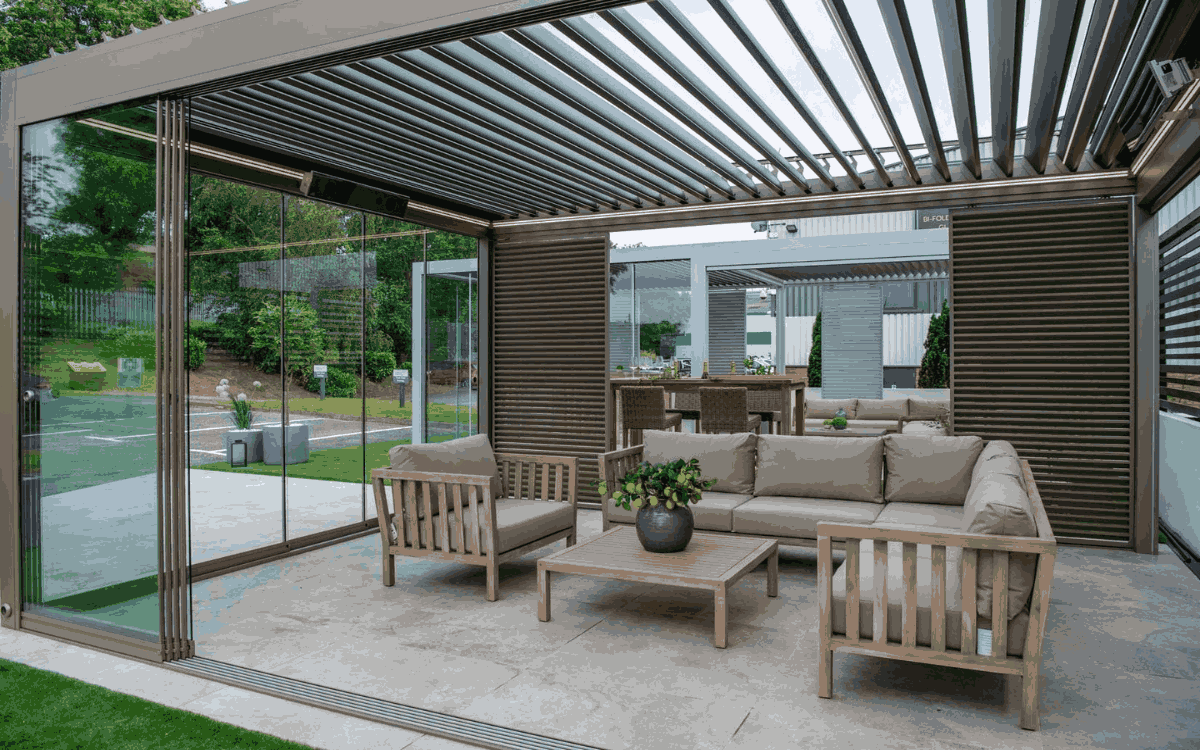
The 2026 market offers diverse Rolling Roof models tailored to different architectural and functional requirements. Fixed-frame models provide a simple, budget-friendly solution for patio covers or terrace enclosures, prioritizing durability over automation. Semi-automated Rolling Roof designs include motorized retractable systems with limited smart integration, ideal for homeowners seeking convenience without a high-end price. Fully automated models incorporate remote control, app-based operation, and integrated weather sensors that detect wind or rain, retracting the roof automatically for protection. Material combinations vary widely, including aluminum, stainless steel, and reinforced polycarbonate or tempered glass panels, each offering unique benefits for insulation, transparency, and aesthetics. Some models feature modular extensions, allowing expansion or integration with pergolas and outdoor furniture layouts. Noise-reduction features, anti-drip mechanisms, and energy-efficient designs enhance comfort and usability. Choosing the right model depends on location, intended use, durability expectations, and budget. Selecting a high-quality Rolling Roof ensures reliable performance under varying weather conditions while complementing the architecture, offering both functional and aesthetic enhancement to outdoor living areas.
Rolling Roof… But Which Brand Should You Choose?
Selecting a brand for a Rolling Roof system involves evaluating quality, technological integration, warranty, and customer service. Leading manufacturers in 2026 provide comprehensive packages combining durable materials, advanced automation, and design flexibility. Brand reputation reflects reliability, with established companies often offering extended warranties, responsive technical support, and verified performance records. Motor technology and electronic control systems vary between brands, influencing operation smoothness, longevity, and ease of integration with smart home devices. Some brands specialize in modular systems, allowing customization for terraces, pergolas, or rooftop spaces, while others focus on high-end, fully automated solutions. Price comparison is crucial, but evaluating long-term value, maintenance requirements, and system efficiency provides a more accurate assessment. Certified brands usually adhere to international safety and quality standards, ensuring consistent performance over the years. By analyzing customer reviews, professional ratings, and product specifications, buyers can select a Rolling Roof brand that matches their functional needs, design preferences, and investment expectations without compromising on durability or aesthetics.
Rolling Roof… Which One Should I Prefer?
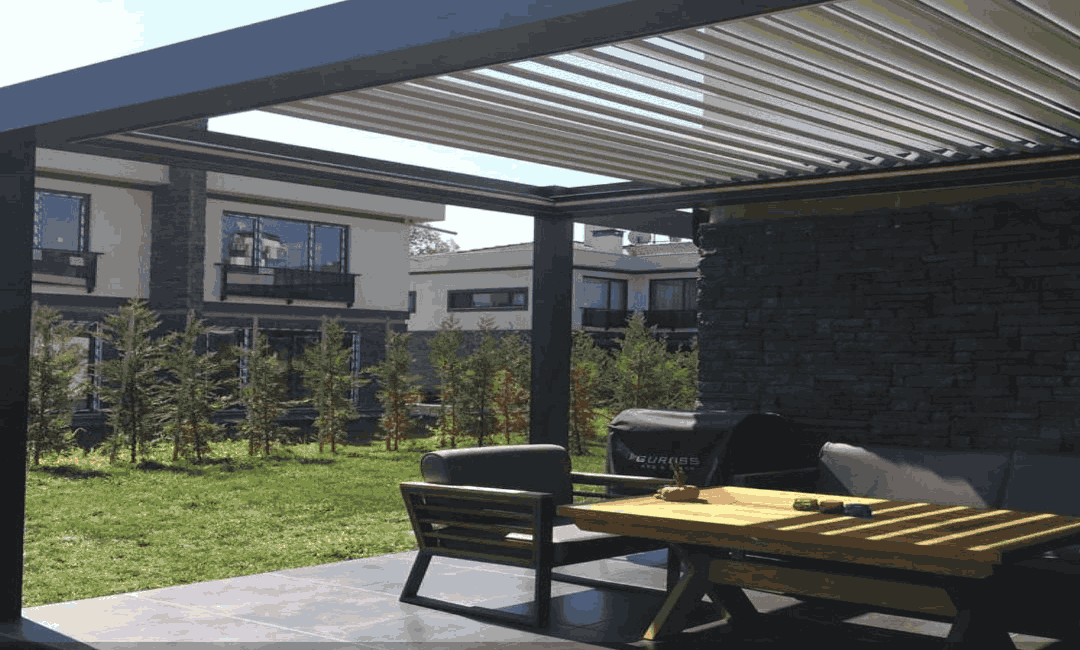
Choosing the right Rolling Roof system depends on multiple considerations such as intended use, space constraints, automation preferences, and budget. Manual systems are ideal for smaller areas or simpler designs, offering affordability and basic weather protection. Motorized versions with remote controls provide convenience and rapid adjustment for terraces, patios, and rooftop gardens. Advanced options integrate smart home technology, weather sensors, and automatic retraction, ensuring protection from wind, rain, or sun exposure. Material choice affects longevity, thermal insulation, and aesthetics: tempered glass or polycarbonate panels paired with aluminum or stainless steel frames enhance durability and visual appeal. Size and structural requirements must align with load-bearing capacity and roof slope, preventing deformation or operational issues. For larger or irregular areas, modular Rolling Roof systems allow flexible configuration. Considering installation complexity, warranty coverage, and post-purchase service ensures long-term satisfaction. Evaluating these factors in combination with aesthetic goals allows the selection of a Rolling Roof system that enhances outdoor living spaces efficiently, offering both functionality and elegance.
Rolling Roof Manufacturers… But Which One Is Right?
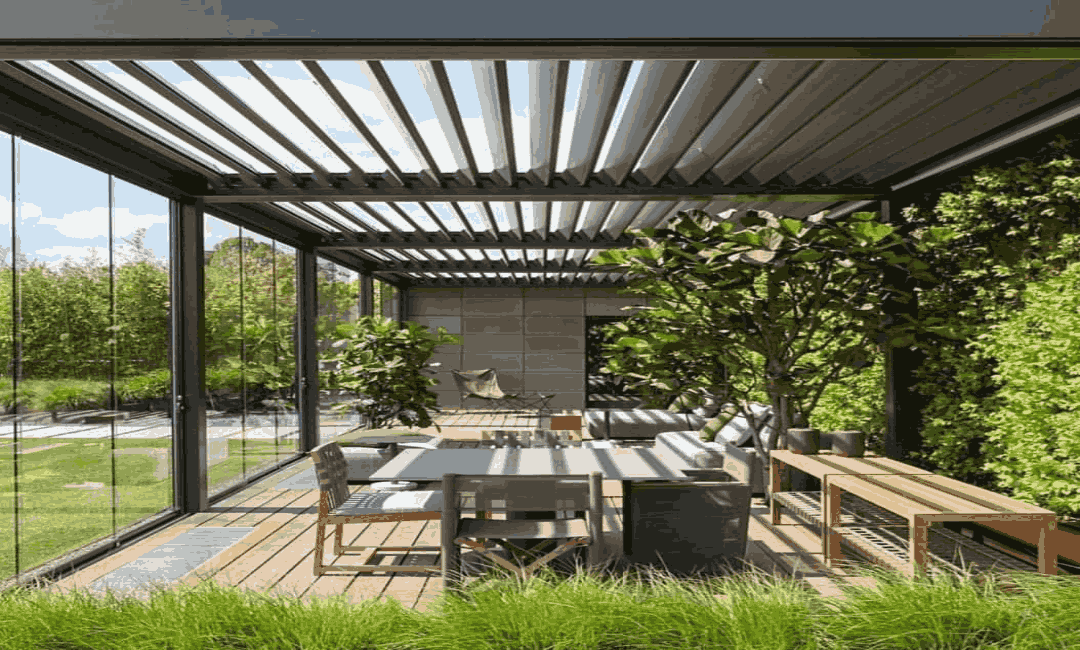
Choosing the right Rolling Roof manufacturer is crucial to ensure quality, durability, and advanced functionality. Top manufacturers provide a variety of materials, motorization options, and technological integrations, including remote controls, smartphone connectivity, and automatic weather sensors. Established Bioclimatic Pergola companies offer solutions designed for outdoor living spaces with retractable roofs, aluminum frames, and tempered glass or polycarbonate panels, ensuring long-term performance. Manufacturer selection depends on several factors: warranty coverage, after-sales service, material quality, and customization options. High-end manufacturers often provide modular systems that can adapt to terraces, patios, or rooftops while maintaining structural integrity. Brands specializing in bioclimatic pergolas also focus on energy efficiency, thermal insulation, and noise reduction, which increases user comfort. Evaluating reviews, certifications, and long-term reliability helps narrow down choices. A trusted bioclimatic pergola firm ensures seamless installation, precise alignment, and fully functional motorized operation, giving homeowners a reliable outdoor solution. By comparing offerings, checking component quality, and considering the total cost of ownership, buyers can identify the most suitable Rolling Roof manufacturer for their specific space and design goals.
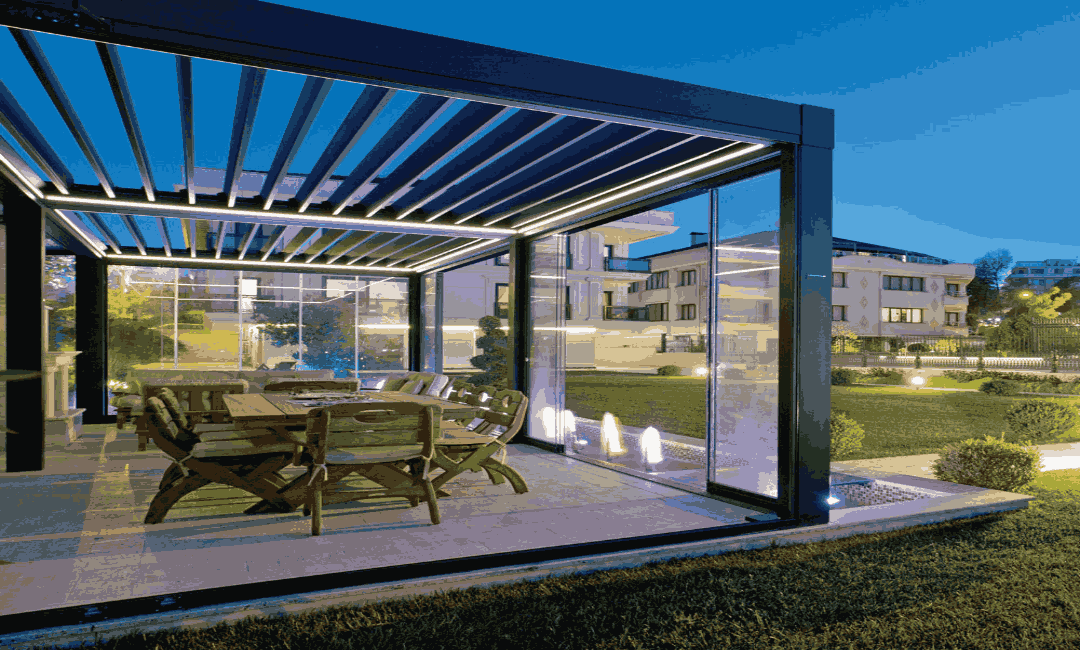
Rolling Roof: What Are the Technical Specifications?
Technical specifications of Rolling Roofs are essential to understand before purchase. Typical systems feature aluminum frames for durability, corrosion resistance, and lightweight construction. Motorized operation allows smooth retractable movement, often controlled via remote or integrated smart devices. Panels can be tempered glass or polycarbonate, providing both weather protection and natural light. Sensors for rain, wind, and sun automatically adjust roof positioning to protect furniture and occupants. Structural specifications include load-bearing capacity, maximum span per module, and compatibility with extension systems. Thermal insulation, UV protection, and noise reduction features increase comfort. Some models include LED lighting strips, gutter systems, and anti-drip technology to enhance functionality. Custom dimensions and modular designs enable installation in irregular spaces. Accurate technical knowledge ensures safe installation and long-term durability. Working with an experienced bioclimatic pergola firm ensures adherence to these specifications, proper motor calibration, and precise alignment. High-quality Rolling Roofs combine aesthetics, weather resilience, and advanced technology, making them ideal for modern outdoor living spaces that require both elegance and functionality.
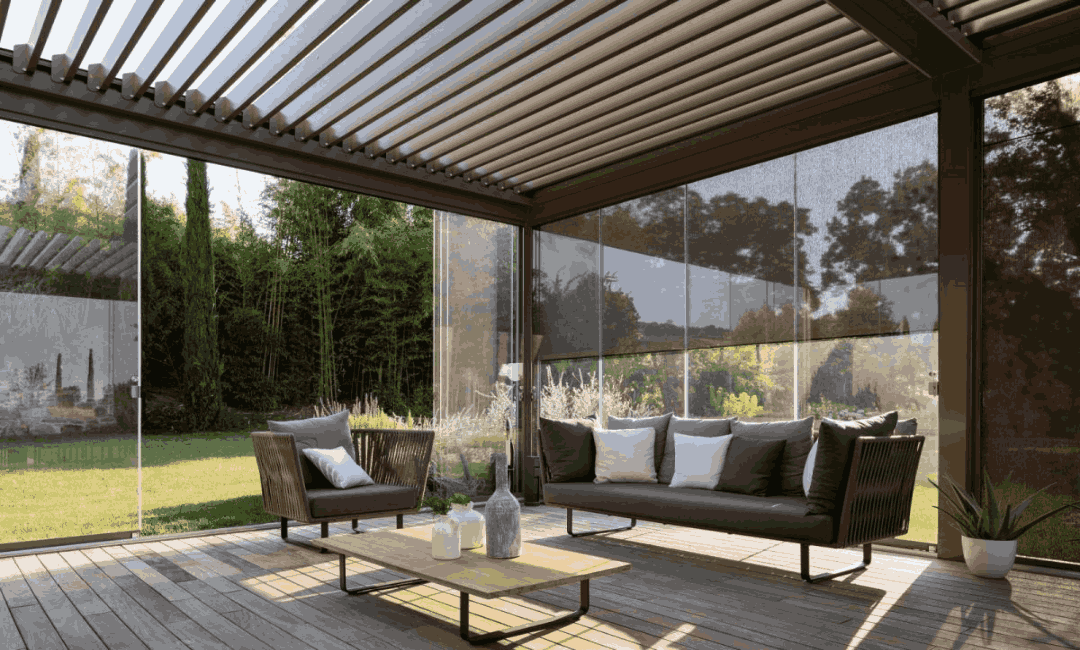
Rolling Roof: Is It Advantageous to Install One?
Installing a Rolling Roof offers multiple advantages for homeowners seeking flexible and comfortable outdoor spaces. Motorized systems allow easy adaptation to changing weather, retracting fully during clear days or closing during rain and intense sun. Aluminum frames with polycarbonate or tempered glass panels provide durability, corrosion resistance, and thermal insulation. Modern designs often integrate LED lighting, anti-drip systems, and guttering, enhancing usability. Installing a pergola increases usable outdoor living space and can protect furniture, flooring, and plants from adverse weather. Motorized systems reduce manual effort and allow integration with smart home devices, giving convenience and efficiency. Bioclimatic pergola firms design these systems to maximize energy efficiency and optimize natural light. Retractable roofs can improve privacy, reduce heat in summer, and provide shelter in cooler months. Installing a Rolling Roof transforms patios, terraces, or garden areas into all-season living spaces, adding value to the property and enhancing lifestyle comfort, combining technology, aesthetics, and long-term durability.
Why Should You Buy a Rolling Roof?
Purchasing a Rolling Roof is an investment in comfort, flexibility, and modern outdoor design. Motorized aluminum structures with polycarbonate or tempered glass panels provide weatherproofing and aesthetic appeal. Retractable systems offer easy control via remote or app, adapting to sun, rain, or wind conditions automatically. Pergolas extend usable space, allowing dining, relaxation, or social gatherings outdoors regardless of weather. High-quality systems from bioclimatic pergola companies feature energy-efficient materials, noise reduction, and integrated drainage, ensuring protection of furniture and plants. Modern designs often include optional lighting, heating, and sensor-based automation for fully optimized comfort. The versatility of a Rolling Roof enables customization for terraces, patios, rooftop gardens, or pool areas. Maintenance is minimal due to durable materials, and long-term warranties provide peace of mind. By purchasing a well-designed system, users gain a combination of technological innovation, outdoor usability, and stylish design, making it a practical and attractive addition to any home or hospitality environment.
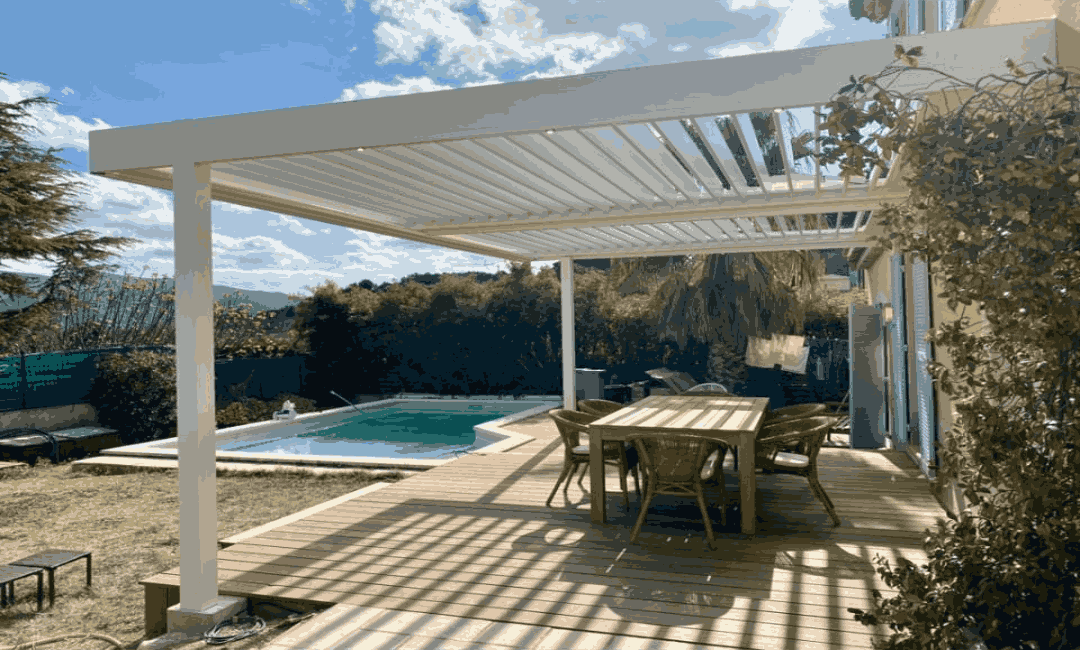
Rolling Roof: Where Can It Be Used?
Rolling Roofs are highly versatile and can be installed in a wide range of outdoor spaces. Common locations include terraces, patios, gardens, rooftop decks, poolside areas, and commercial outdoor seating. The motorized retractable roof allows adaptation to seasonal weather, providing shade during sunny days and shelter during rain. Aluminum frames paired with tempered glass or polycarbonate panels ensure durability in humid or coastal climates. Bioclimatic pergola firms design systems to integrate seamlessly with existing architecture, preserving aesthetics while enhancing functionality. Modular extensions allow coverage of irregular spaces or expansion for larger areas. Features like LED lighting, guttering, and anti-drip systems ensure usability at night and during adverse weather. In hospitality, these pergolas create all-weather dining areas or lounge spaces. Residential installations improve comfort and increase property value. A properly selected Rolling Roof transforms any outdoor area into a versatile, protected, and stylish environment suitable for personal or commercial use.
Rolling Roof Models 2026: What Are the Prices Per Square Meter?
Pricing for Rolling Roof models in 2026 depends on material, motorization, and system specifications. Small systems between 0 – 10 m² typically cost around 300 EUR per m² for motorized aluminum models. Larger, customized solutions increase the price due to additional materials, stronger motors, and integrated features like tempered glass panels, gutters, or LED lighting. Motorized systems provide smooth, remote-controlled operation with optional smart device connectivity. Aluminum frames offer strength, corrosion resistance, and lightweight installation. Polycarbonate or glass panels protect from UV rays, rain, and wind while maintaining natural light. Modular design allows expansion and flexibility in irregular spaces. Choosing a bioclimatic pergola firm ensures accurate installation, warranty coverage, and quality components. The investment provides long-term outdoor usability, aesthetic enhancement, and convenience. Pricing should be considered alongside system specifications, automation features, and long-term durability to make an informed decision when purchasing a Rolling Roof.
Rolling Roof Systems Prices – FAQ (Frequently Asked Questions)
Rolling Roof system pricing varies depending on size, motorization, material, and additional features. Manual systems are generally less expensive than motorized models, while aluminum frames and tempered glass panels increase durability and cost. For small installations up to 10 m², prices start at 300 EUR per m². Motorized options allow smooth retractable operation via remote or smartphone control. Technical specifications, including load-bearing capacity, sensor integration, and modular design, influence final pricing. Installation complexity, location, and labor costs also affect total expenses. Bioclimatic pergola firms provide expert guidance, warranty packages, and after-sales support. Buyers often ask about long-term maintenance, system lifespan, and suitability for residential or commercial spaces. Choosing high-quality components reduces future repair costs and increases reliability. Comparing different manufacturers and analyzing system features ensures a Rolling Roof system meets functional, aesthetic, and budgetary expectations.
-
What is the starting price for a Rolling Roof system?
Small motorized aluminum systems start at 300 EUR per m², depending on size and features included.
-
Do motorized systems cost more than manual ones?
Yes, motorized Rolling Roof systems include motors, sensors, and remote control, increasing the total cost.
-
What materials are commonly used in Rolling Roof systems?
Aluminum frames with polycarbonate or tempered glass panels are standard for durability and weather protection.
-
Can a Rolling Roof be installed in any outdoor space?
Yes, terraces, patios, rooftops, and gardens can all accommodate modular Rolling Roof systems with proper measurements.
-
Are there warranty options for Rolling Roof systems?
Bioclimatic pergola firms often offer warranties on frames, motors, and panels, ensuring long-term protection and support.
-
Does size affect Rolling Roof system prices?
Absolutely. Larger areas require more materials, stronger motors, and additional features, raising the price per m².


 Deutsch
 Français
 Español
 Italiano
 Русский
 România
 Ελλάδα
 България
 Hungarian
 Hrvatska
 Polska
 Belgium
 Србија
 Босна
Босна Turkish
 العربية